








What's Happening?
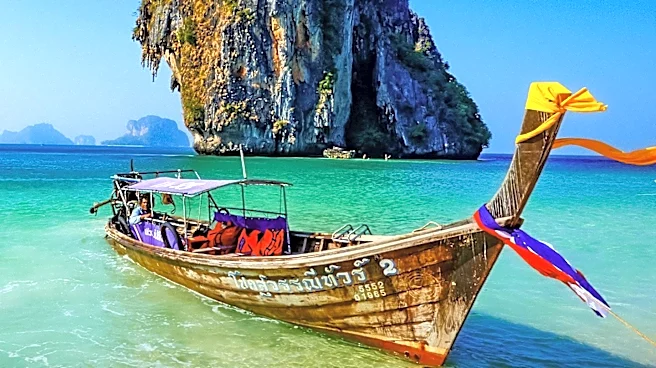
Phuket is actively seeking to attract more high-spending Singaporean visitors and investment in its wellness and medical tourism sectors. This initiative follows recent discussions between Phuket Governor Chotinarin Kerdsom and Singapore’s Ambassador
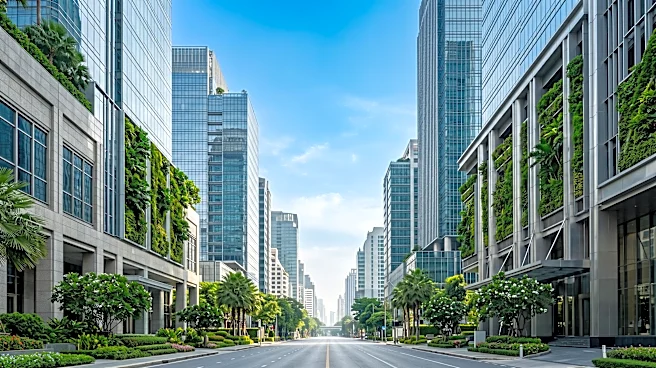
to Thailand, Catherine Wong Siow Ping, at Phuket Provincial Hall. The meeting focused on strengthening cooperation in tourism, trade, and investment. Governor Chotinarin highlighted Singapore’s expertise in urban management and city planning as a model for Phuket’s development. Discussions included leveraging existing air links, with five to eight direct flights daily between Phuket and Singapore, to attract more high-quality tourists. Wellness and medical tourism were identified as key areas for Singaporean investment, as Phuket aims to establish itself as an international health and wellness destination. The Governor also emphasized Phuket's emergency response arrangements and disaster management systems to build confidence among potential visitors and investors.
Why It's Important?
This initiative by Phuket to attract Singaporean tourism and investment holds significance for the broader U.S. travel and healthcare industries. As a popular international destination, Phuket's efforts to enhance its tourism infrastructure and medical tourism offerings could influence global travel trends. For U.S. citizens, an improved and safer Phuket could become an even more attractive destination, potentially impacting U.S. outbound tourism patterns. The focus on wellness and medical tourism also highlights a growing global market that U.S. healthcare providers and investors might explore for partnerships or competitive insights. The emphasis on urban management and disaster preparedness reflects a global concern for sustainable and resilient tourism, which could inform similar discussions in U.S. coastal and tourist-dependent regions. The competition for high-spending tourists and foreign investment is a global phenomenon, and Phuket's proactive approach demonstrates the strategic importance of international partnerships in economic development.
What's Next?
Phuket is expected to continue its efforts to promote its safety and disaster management systems to Singaporeans and other international visitors, aiming to build confidence and increase tourist arrivals. The province will also likely engage in further discussions and initiatives to attract Singaporean investors, particularly in the wellness and medical tourism sectors. This could lead to new developments in healthcare facilities, luxury resorts, and related services in Phuket. Cultural and educational exchanges between Phuket and Singapore are also anticipated to strengthen bilateral ties. The success of Phuket's strategy could serve as a case study for other tourist destinations seeking to diversify their visitor base and attract foreign investment, potentially influencing regional tourism policies and investment flows in Southeast Asia. The U.S. travel industry and investors will likely monitor these developments for potential opportunities or shifts in global tourism dynamics.
Beyond the Headlines
The deeper implications of Phuket's outreach to Singapore extend to the evolving landscape of international tourism and regional economic integration. The focus on wellness and medical tourism signifies a shift towards more specialized and value-added travel experiences, moving beyond traditional leisure tourism. This trend reflects a growing global demand for health-conscious travel and could lead to the development of integrated health and tourism ecosystems. Ethically, the promotion of medical tourism raises questions about equitable access to healthcare and the potential for medical tourism to draw resources away from local populations if not managed carefully. Culturally, increased tourism and investment could lead to both opportunities for cultural exchange and challenges related to preserving local traditions and environments. The emphasis on urban management and disaster preparedness also underscores the critical role of resilient infrastructure and governance in supporting sustainable tourism development in vulnerable regions, a lesson applicable to many U.S. coastal communities facing climate-related challenges.