
What's Happening?
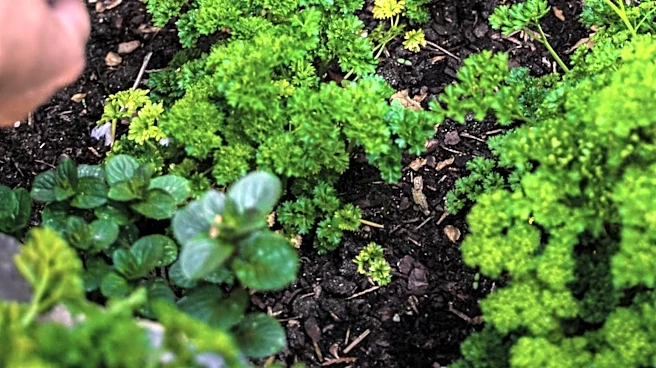
WIS reports on a garden at the Wil Lou Gray Opportunity School in Columbia, South Carolina, which offers students a hands-on approach to outdoor education and discovery. During visits to the garden, students are
encouraged to engage their senses by touching, smelling, and tasting fresh plants, including herbs, native wildflowers, and berries. Educators at the school emphasize that these sensory experiences are designed to ignite natural curiosity and foster an eager desire to learn among the students. The program extends beyond simple plant identification, incorporating practical, budget-friendly gardening skills such as seed saving and constructing raised beds for growing fresh food. These lessons are intended to cultivate problem-solving habits and self-reliance, skills deemed valuable for both daily life and future career paths.
Why It's Important?
This educational initiative at the Wil Lou Gray Opportunity School is important because it provides a unique and experiential learning environment that complements traditional classroom instruction. For many students, hands-on activities like gardening can make abstract concepts more tangible and engaging, leading to deeper understanding and retention. The focus on practical skills such as seed saving and building raised beds equips students with valuable knowledge that can promote food security and sustainable living, particularly in communities where access to fresh produce might be limited. Furthermore, the development of problem-solving and self-reliance skills through gardening can significantly contribute to students' overall personal growth and preparedness for future challenges, whether in higher education or the workforce. This approach can be particularly beneficial for students who thrive in alternative learning settings.
What's Next?
The Wil Lou Gray Opportunity School will likely continue to integrate and expand its garden program, potentially exploring new plant varieties, advanced gardening techniques, or partnerships with local agricultural organizations. The success of this initiative could serve as a model for other educational institutions looking to incorporate experiential learning and outdoor education into their curricula. There may be efforts to document the long-term impact of the garden program on student engagement, academic performance, and skill development. Additionally, the school might seek further funding or community involvement to sustain and grow the garden, ensuring its continued benefit to future students. The program's emphasis on practical skills could also lead to vocational training opportunities in horticulture or related fields.
Beyond the Headlines
The garden program at Wil Lou Gray Opportunity School highlights a broader educational philosophy that values practical application and sensory engagement over rote memorization. This approach can be particularly effective for students who may not thrive in conventional academic settings, offering them alternative pathways to success and personal fulfillment. The emphasis on growing food also connects to larger societal issues such as food deserts, nutrition, and environmental stewardship, teaching students about their role in creating healthier and more sustainable communities. By fostering self-reliance and problem-solving, the program addresses critical life skills that are often overlooked in standard educational models. It underscores the idea that education extends beyond textbooks, encompassing a holistic development that prepares individuals for real-world challenges and opportunities.