





What's Happening?
The Make America Healthy Again (MAHA) movement has expressed dissatisfaction with the Environmental Protection Agency's (EPA) handling of chemical regulations under President Trump's administration. Advocates, including Kelly Ryerson and Alexandra Munoz,
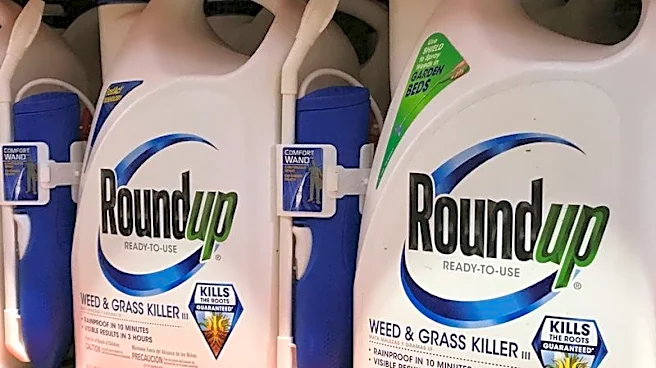
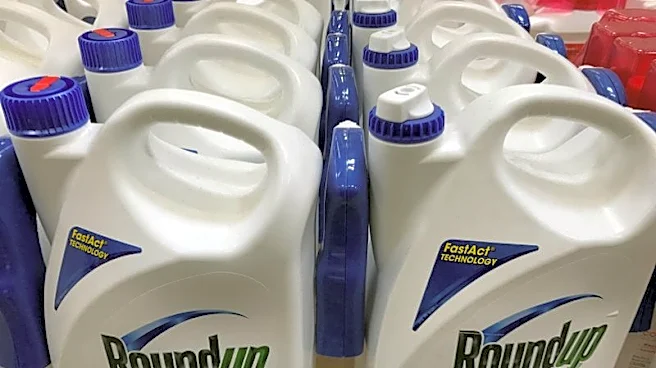
criticize the EPA for rolling back drinking water standards and weakening protections against air pollutants. They argue that the agency's actions contradict the administration's stated health priorities. The movement is particularly concerned about the approval and expansion of pesticide use, including glyphosate, which they believe poses health risks. The EPA's recent addition of microplastics and pharmaceuticals to a list of drinking water contaminants is seen as insufficient, as many listed contaminants lack regulatory action. The movement's grievances highlight a perceived disconnect between the administration's promises and its regulatory actions.
Why It's Important?
The MAHA movement's criticism of the EPA's policies underlines broader concerns about public health and environmental safety. The rollback of regulations on harmful chemicals and pollutants could have significant implications for community health and environmental protection. The movement's dissatisfaction reflects a growing demand for more stringent regulatory oversight and transparency in chemical management. This situation also highlights the tension between industry interests and public health advocacy, with potential legal and political ramifications as stakeholders push for more robust protections.
What's Next?
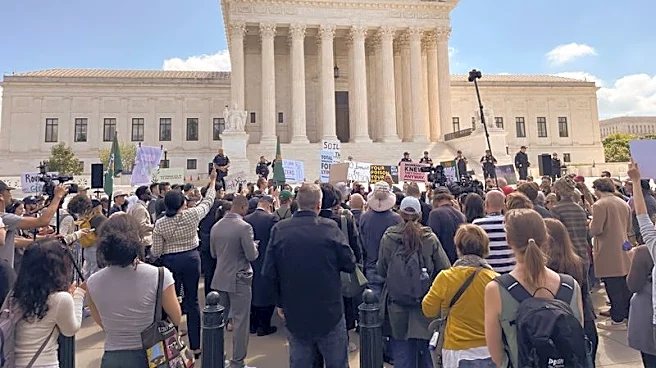
The Supreme Court is set to hear a case involving Bayer, which could impact the legal landscape for pesticide regulation. The outcome may influence future regulatory approaches and the ability of individuals to seek legal recourse for health claims related to chemical exposure. The MAHA movement and other advocacy groups are likely to continue their efforts to hold the administration accountable and push for stronger environmental protections. The EPA's response to these criticisms and its future regulatory actions will be closely watched by both industry and public health advocates.