




What's Happening?
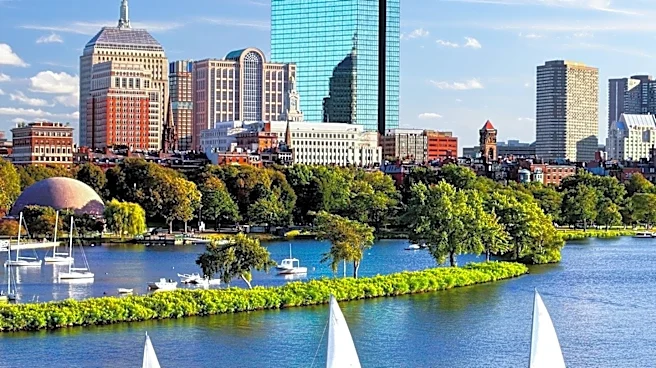
Boston's Planning Department has recommended and approved several initiatives aimed at increasing housing availability and supporting commercial development. A key component is Mayor Wu’s Office-to-Residential Conversion Program, which has facilitated
the transformation of 35 buildings, totaling 2.1 million square feet of empty office space, into over 2,420 new homes since its launch in 2023. Notable projects include the conversion of an 11-story office building at 140 Providence Street into 476 new homes, with 95 designated as income-restricted, and a five-story commercial building at 105 Beach Street into 15 residential units. Additionally, the city is adjusting its Inclusionary Zoning policies, extending payment schedules for affordable housing contributions, and reducing the condominium payment-in-lieu fee to encourage more residential projects. Linkage fees for commercial developments, which fund affordable housing and job training, will also remain frozen at current levels for 2027 due to economic factors like high construction costs and interest rates. These changes are designed to alleviate financial pressures on developers and stimulate housing production.
Why It's Important?
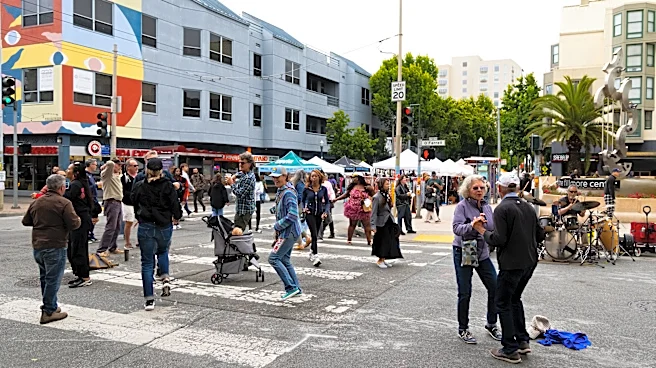
These developments are crucial for Boston as they directly address the city's housing shortage and aim to revitalize downtown areas affected by reduced office demand. By converting vacant commercial spaces into residential units, Boston is not only creating new homes but also fostering a more vibrant urban core with increased foot traffic and local economic activity. The adjustments to Inclusionary Zoning and the freeze on Linkage fees are significant for developers, potentially making projects more financially viable in a challenging economic climate. This could lead to a faster pace of construction and a greater supply of both market-rate and income-restricted housing. The emphasis on adaptive reuse also promotes sustainability by repurposing existing structures rather than new construction, reducing environmental impact. For residents, these initiatives promise more housing options, including affordable units, and could contribute to stabilizing housing costs in the long term. The city's proactive approach serves as a model for other urban centers facing similar challenges.
What's Next?
The recommended changes to Inclusionary Zoning will proceed to the Boston City Council for consideration and require final approval by the Zoning Commission. The freeze on Linkage fees for 2027 is also subject to final approval by the Zoning Commission. If approved, these policy adjustments will be in effect for two years. The Office-to-Residential Conversion Program is expected to continue processing applications, with more projects likely to move forward given the incentives. Developers will likely leverage the extended payment schedules and reduced fees to initiate or accelerate residential projects. The city will also continue to monitor the economic landscape, including construction costs and interest rates, to assess the effectiveness of these policies and make further adjustments as needed. Community information sessions, such as those for the Adams Four Shopping Center redevelopment in Wilmington, highlight a broader trend of engaging residents in urban planning, suggesting similar public involvement in future Boston projects.
Beyond the Headlines
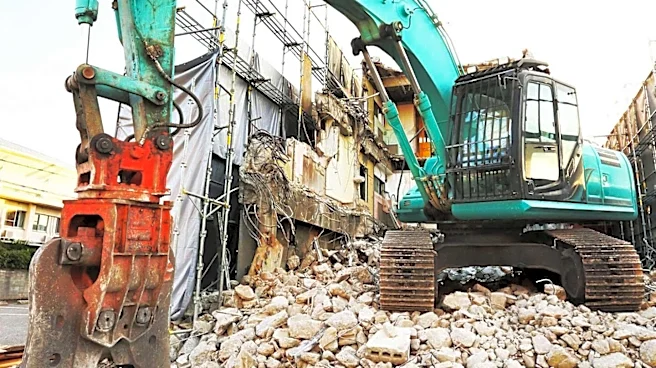
The shift from commercial to residential spaces in Boston reflects a broader national trend driven by evolving work patterns and the persistent housing crisis. The repurposing of office buildings into homes not only addresses housing needs but also redefines urban landscapes, potentially leading to more mixed-use neighborhoods. This adaptive reuse strategy presents complex engineering challenges, as office buildings require significant modifications to meet residential codes, including changes to plumbing, electrical, and ventilation systems, and ensuring adequate natural light. The financial viability often depends on the building's original design, with narrower or older structures being more suitable. Furthermore, the policy adjustments in Boston, such as the temporary reduction of affordable housing requirements and the freeze on linkage fees, highlight the delicate balance cities must strike between encouraging development and ensuring equitable housing outcomes. These decisions can have long-term implications for urban demographics, social equity, and the character of city centers.