










What's Happening?
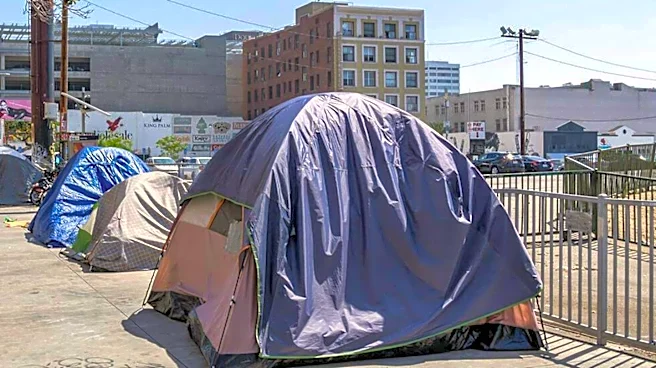
Mayor Zohran Mamdani is under scrutiny following reports of a growing homeless population along a prime area on Manhattan's West Side. The reports highlighted encampments equipped with makeshift shelters and storage, which have become a point of contention
among local vendors and residents. Mamdani, who campaigned on a promise to end the practice of dismantling encampments without providing alternative housing, has defended his administration's approach. This involves deploying social workers from the Department of Homeless Services to engage with the homeless for a week before any removal actions. Despite claims of a 12-block-long encampment, NBC New York found only scattered setups. The mayor acknowledged the historical failures of previous administrations in addressing homelessness and emphasized the need for stable housing solutions.
Why It's Important?
The situation underscores the ongoing challenges faced by urban centers in addressing homelessness, a critical social issue. Mayor Mamdani's approach reflects a shift towards more compassionate and sustainable solutions, focusing on long-term housing rather than temporary fixes. This strategy could influence public policy and set a precedent for other cities grappling with similar issues. The effectiveness of this approach is crucial, as it impacts not only the homeless population but also local businesses and residents who are affected by the presence of encampments. The outcome of Mamdani's policies could either bolster or undermine public confidence in his administration's ability to manage urban social issues.
What's Next?
The mayor's administration plans to investigate the specific encampments and continue efforts to connect the homeless with housing solutions. The response from city agencies and the effectiveness of social worker interventions will be closely monitored. City Councilmember Carl Wilson has called for a more robust response to ensure streets remain clean and safe. The NYPD has indicated readiness to act if given the directive. The success of these efforts will likely influence future policy decisions and could lead to broader discussions on homelessness solutions at the state and national levels.