






What's Happening?
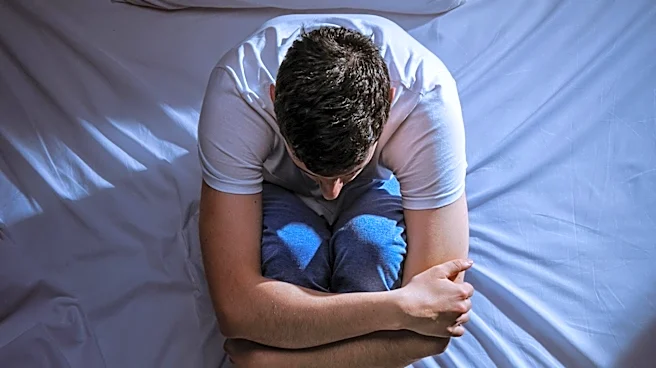
Scott Mallon, a licensed marriage and family therapist, highlights that depression in men often presents differently than commonly perceived, leading to missed diagnoses. Instead of overt sadness or an inability to function, men's depression frequently
manifests as irritability, emotional distance, exhaustion, loss of motivation, feeling numb, and a sense of disconnection from life. Mallon notes that men often don't recognize these as symptoms of depression, attributing them to stress or a bad mood. He explains that societal expectations for men to be providers, protectors, achievers, and resilient can lead them to internalize struggles, making it difficult to seek help. Research from the Journal of Advanced Nursing and Frontiers in Psychiatry supports that traditional masculine norms, such as stoicism and self-reliance, reduce the likelihood of men seeking support for mental health issues. Mallon emphasizes that anger often replaces sadness in men because it is one of the few emotions they are culturally permitted to express, masking deeper feelings of loneliness, fear, grief, or shame. Common coping mechanisms like overworking and alcohol consumption are also socially acceptable ways men avoid emotional pain, further obscuring underlying depression.
Why It's Important?
The misidentification of depression in men has significant consequences for their well-being and public health. When symptoms are overlooked or misattributed, men often do not receive timely or appropriate treatment, leading to prolonged suffering and potential escalation of mental health crises. The American Psychological Association's 'Real Men, Real Depression' campaign and data from the National Institute of Mental Health underscore that men's depression can manifest as increased fatigue, irritability, anger, and loss of interest in activities, rather than the stereotypical signs. This lack of recognition can strain personal relationships, impact job performance, and contribute to higher rates of suicide among men. According to the Anxiety and Depression Association of America, nearly 1 in 10 men experience depression or anxiety, yet fewer than half receive treatment. Furthermore, federal data indicates that men are four times more likely to die by suicide than women, accounting for approximately 80% of all suicide deaths in the United States. Addressing these overlooked signs is crucial for improving mental health outcomes for men and reducing the societal burden of untreated depression.
What's Next?
Mallon advises that individuals concerned about a man in their life should approach the conversation with concern rather than immediate conclusions, using phrases like, 'I've noticed you don't seem like yourself lately.' The goal is to create a safe space for open communication, not to diagnose. He cautions against dismissive responses such as 'you'll be fine' or 'you have it all,' which can invalidate a man's feelings. Instead, he suggests empathetic statements like, 'I can see you're carrying a lot on your shoulders right now.' Key red flags indicating a need for professional help include suffering relationships, declining work performance, social withdrawal, increased substance use, persistent exhaustion, and a sense of paralysis. Mallon stresses that men should not wait until a crisis point to seek help, as untreated depression can lead to more severe consequences. He encourages men to understand that struggling is a human experience and that asking for help is a sign of bravery, not weakness. Continued efforts to educate the public and healthcare providers on the diverse presentations of male depression are essential to foster earlier intervention and support.
Beyond the Headlines
The discussion around male depression extends beyond clinical symptoms to deeply ingrained cultural and societal norms. The emphasis on stoicism and self-reliance, while sometimes seen as strengths, can become significant barriers to men acknowledging and addressing their emotional vulnerabilities. This cultural conditioning often teaches men to suppress emotions like fear, grief, or loneliness, leading them to express distress through anger or withdrawal. The physical manifestations of depression, such as unexplained fatigue, aches, and sleep problems, are also critical, as men often present these somatic complaints to general practitioners before mental health professionals, leading to potential misdiagnosis or delayed treatment. The biological connection between pain and mood, sharing neurotransmitters like serotonin and norepinephrine, highlights why physical symptoms can be primary indicators. Addressing these deeper cultural and biological factors requires a shift in how society views masculinity and mental health, promoting an environment where men feel empowered to seek support without fear of judgment or perceived weakness. This broader understanding is vital for fostering a more holistic approach to men's wellness.