






What's Happening?
The climbing season on Mount Everest has been delayed due to a massive and unstable ice block, known as a serac, which has stalled climbers at the base camp. Despite the challenges posed by the ice block, high travel costs, and increased permit fees,
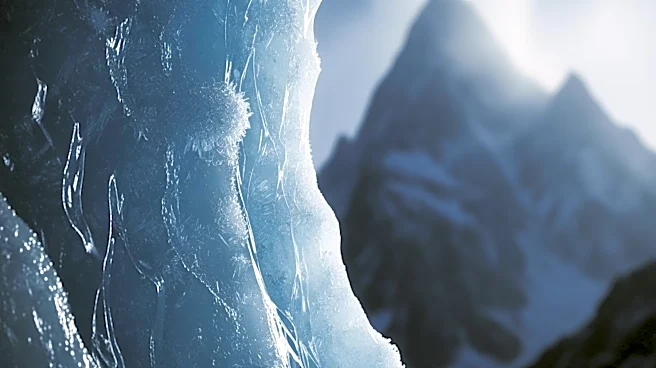
hundreds of climbers and their Nepali guides are preparing to ascend the peak. The serac, part of the Khumbu Icefall, is a significant hazard, with the potential to collapse at any time. The Sagarmatha Pollution Control Committee has issued warnings to climbers to exercise extreme caution. The situation is further complicated by the fast melting of glaciers due to global warming, which has raised concerns about the safety of the climbing routes.
Why It's Important?
The delay in the climbing season on Mount Everest highlights the growing impact of climate change on natural landmarks and the tourism industry. The presence of the unstable serac poses a significant risk to climbers, emphasizing the need for increased safety measures and awareness. The situation also underscores the economic implications for Nepal, as the climbing season is a crucial period for the local economy, attracting climbers from around the world. The increased costs and risks may deter some climbers, potentially affecting the revenue generated from permits and tourism-related activities.
What's Next?
Climbers and expedition operators are closely monitoring the situation, with some adjusting their strategies to minimize risks. The ongoing concerns about climate change and its impact on the glaciers may lead to further discussions on sustainable tourism practices and the need for international cooperation to address environmental challenges. The climbing community may also advocate for more stringent safety protocols and better infrastructure to ensure the safety of climbers in future seasons.