


What's Happening?
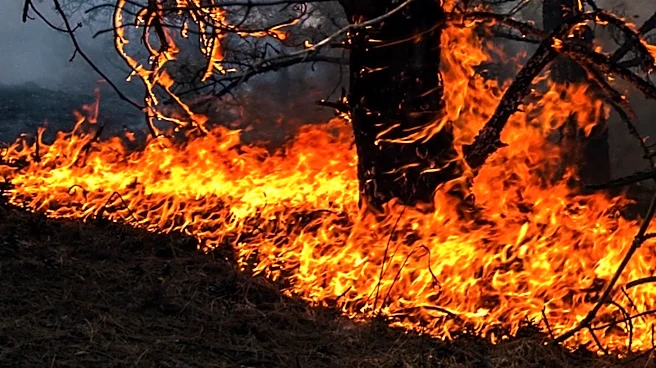
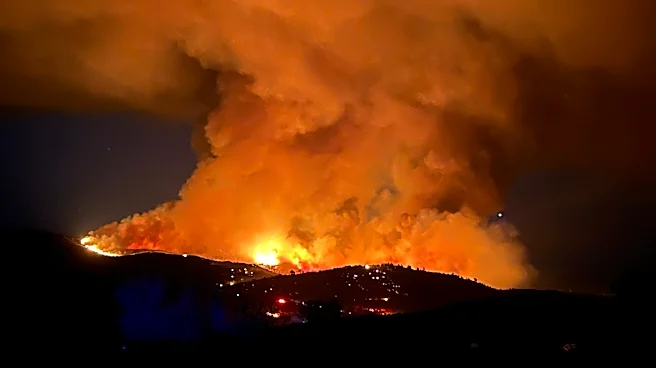
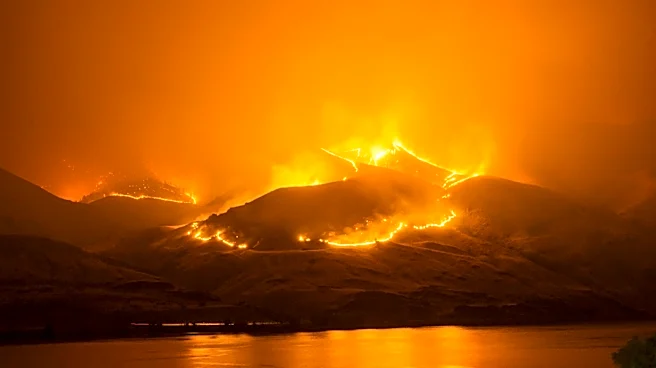
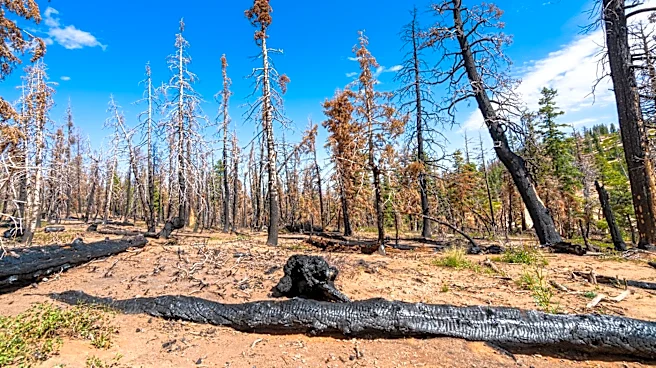
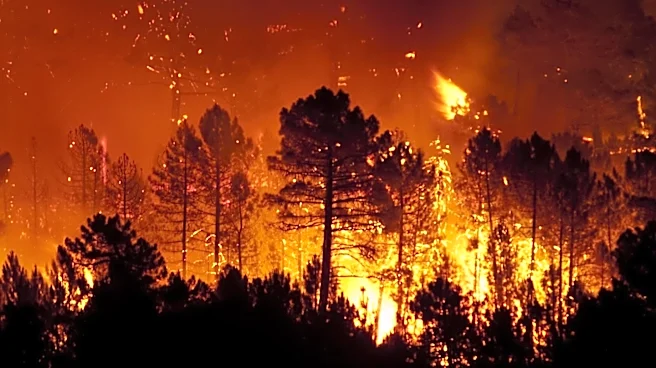
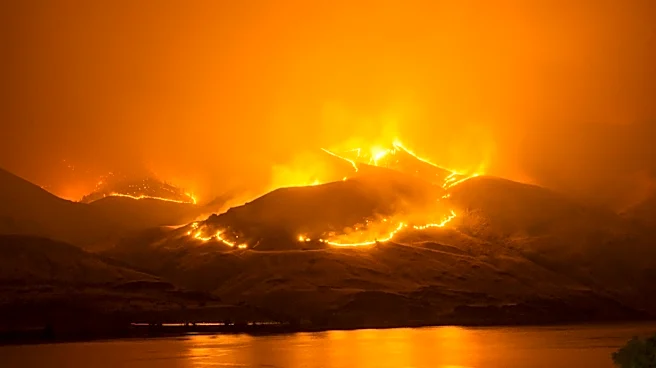
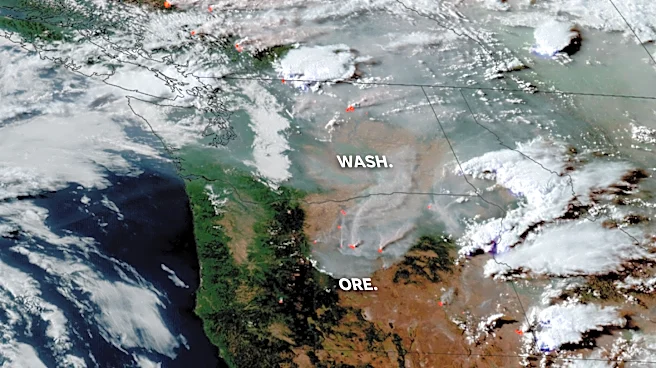
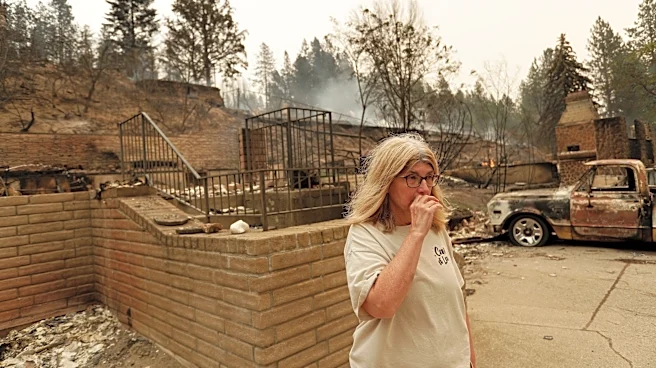
The Pacific Northwest is experiencing one of its most destructive wildfire seasons on record, with Spokane, Washington, at the center of the crisis. A trio of wildfires in the Spokane Valley has destroyed over 700 buildings and forced the evacuation of at least
65,000 residents. The fires are part of a broader pattern of increasing wildfire activity in the region, exacerbated by a historically dry winter, extreme drought, and heat waves. These conditions have led to nearly 2 million acres burned in Oregon alone, setting a new annual record. The wildfires have transformed the Spokane Convention Center into a Red Cross emergency shelter, where hundreds of evacuees are seeking refuge. The situation is compounded by high winds, which threaten to spread the fires further.
Why It's Important?
The wildfires in Spokane underscore the growing threat of climate change-induced natural disasters. As the planet warms, conditions that fuel extreme wildfires are becoming more common, with warmer atmospheres holding more water vapor and leading to prolonged droughts. This dynamic is not only a local issue but a national concern, as it highlights the vulnerability of the wildland-urban interface, where suburban housing developments are increasingly at risk. The economic and social impacts are significant, with potential losses in property, increased insurance costs, and the displacement of thousands of residents. The situation calls for urgent policy responses to address climate change and improve community resilience to such disasters.
What's Next?
In the immediate future, efforts will focus on containing the fires and providing relief to affected residents. However, the broader challenge lies in addressing the root causes of such disasters. This includes implementing stricter building codes, creating defensible spaces around homes, and investing in climate adaptation strategies. Policymakers and community leaders will need to collaborate on long-term solutions to mitigate the impact of climate change and prevent future disasters. The situation in Spokane may serve as a catalyst for more aggressive climate action at both state and federal levels.
Beyond the Headlines
The Spokane wildfires also raise ethical and cultural questions about land use and development. The desire to live close to nature must be balanced with the risks posed by climate change. This situation challenges communities to rethink their relationship with the environment and consider sustainable development practices. Additionally, the fires highlight the need for greater public awareness and education on climate change and its impacts, fostering a culture of preparedness and resilience.