

What's Happening?
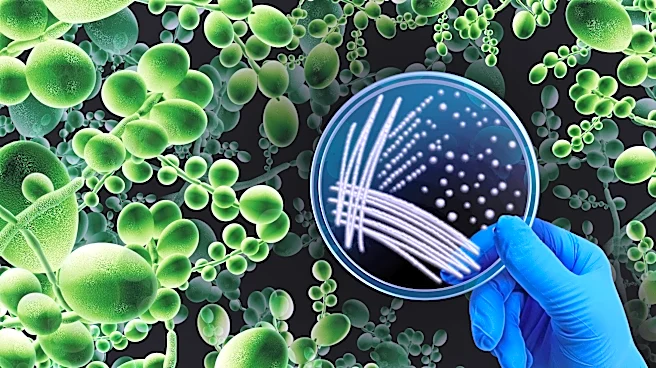
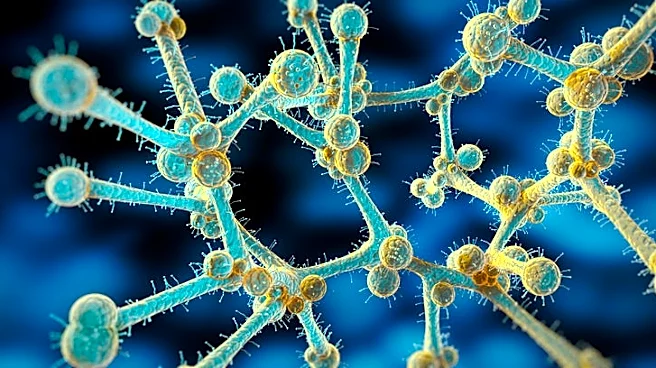
Candida auris, a drug-resistant superbug, has been confirmed in 23 U.S. states, posing a significant health threat. This yeast can enter the bloodstream and is primarily transmitted in healthcare settings. Some strains are resistant to all major antifungal
medications, leading the CDC to label it an 'urgent antimicrobial resistance threat.' While it often does not cause serious illness in healthy individuals, it can be deadly for those with weakened immune systems. Recent studies have shown that C. auris can survive on the skin for months, particularly in hair follicles, complicating efforts to eradicate it.
Why It's Important?
The spread of Candida auris highlights the growing challenge of antimicrobial resistance in healthcare settings. Its ability to persist on the skin and resist treatment makes it a formidable pathogen, particularly for vulnerable populations such as the elderly and immunocompromised. The increasing prevalence of C. auris in the U.S. underscores the need for improved infection control measures and the development of new antifungal treatments. The superbug's resistance to existing medications also raises concerns about the potential for widespread outbreaks and increased healthcare costs.
What's Next?
Efforts to control the spread of Candida auris will likely focus on enhancing infection prevention protocols in healthcare facilities. Researchers are also exploring new treatment options, including combination therapies, to combat resistant strains. Public health officials may increase surveillance and reporting requirements to better track the spread of the superbug. Additionally, educating healthcare providers and the public about the risks and prevention strategies will be crucial in mitigating the impact of C. auris.
Beyond the Headlines
The persistence of Candida auris on the skin and its resistance to treatment highlight the need for innovative approaches to infection control and treatment. The superbug's ability to alter immune responses suggests that understanding its interactions with the host could lead to new therapeutic strategies. The situation also emphasizes the importance of global collaboration in addressing antimicrobial resistance, as pathogens like C. auris do not recognize borders and can spread rapidly across regions.