



What's Happening?
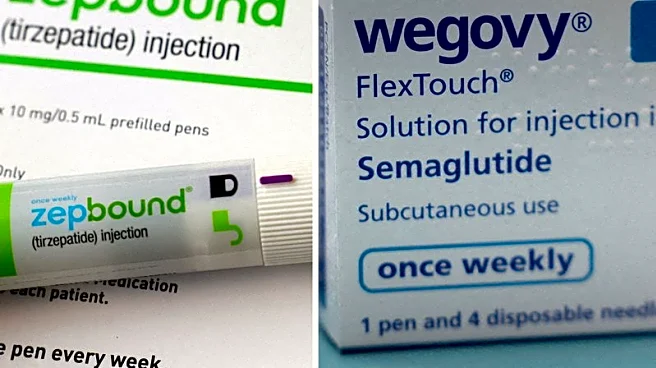
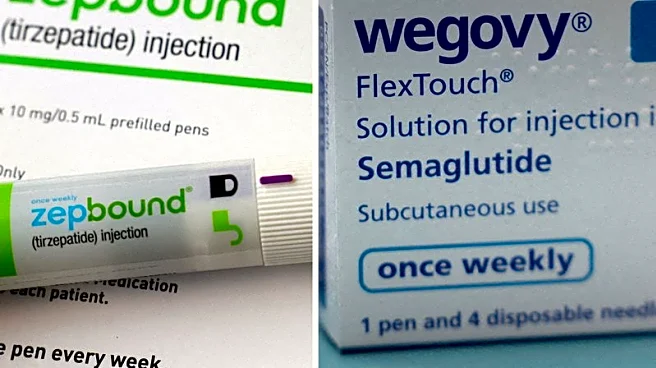
In 2025, the weight loss drug Mounjaro saw a significant rise in adverse reactions, with a 300 percent increase in reported cases compared to the previous year. According to data from the Medicines and Healthcare products Regulatory Agency (MHRA) Yellow
Card Scheme, there were 40,245 reported reactions, including 6,755 classified as serious and 71 resulting in death. The most common side effects were gastrointestinal disorders, with 37,546 reports, 19 of which were fatal. The drug, used for weight loss and type two diabetes management, has been linked to severe side effects such as nausea, diarrhea, and abdominal cramps. A notable case involved Karen Coe, who experienced extreme reactions after her first injection, leading to hospitalization. The manufacturer, Eli Lilly and Company, emphasized patient safety and encouraged reporting adverse events. The MHRA updated product information to include a risk of severe acute pancreatitis, a condition that can lead to serious complications.
Why It's Important?
The increase in adverse reactions to Mounjaro highlights significant safety concerns for patients using the drug for weight loss and diabetes management. With 71 deaths linked to the drug, the issue raises questions about the safety and monitoring of such medications. The situation underscores the importance of regulatory oversight and the need for healthcare providers to carefully consider the risks and benefits of prescribing Mounjaro. The rise in adverse reactions could impact public trust in weight loss medications and influence future regulatory actions. Additionally, the case of Karen Coe and others like her may lead to increased scrutiny of pharmaceutical companies and their responsibility in ensuring drug safety.
What's Next?
The MHRA's update on the risk of pancreatitis may lead to further investigations into Mounjaro's safety profile. Healthcare providers might become more cautious in prescribing the drug, potentially affecting its market presence. Patients currently using Mounjaro may seek alternative treatments, impacting the drug's sales and Eli Lilly's financial performance. Regulatory agencies could impose stricter guidelines or require additional safety studies. Public awareness campaigns may be necessary to inform patients of potential risks, and legal actions from affected individuals could arise, prompting further scrutiny of the pharmaceutical industry.