




What's Happening?
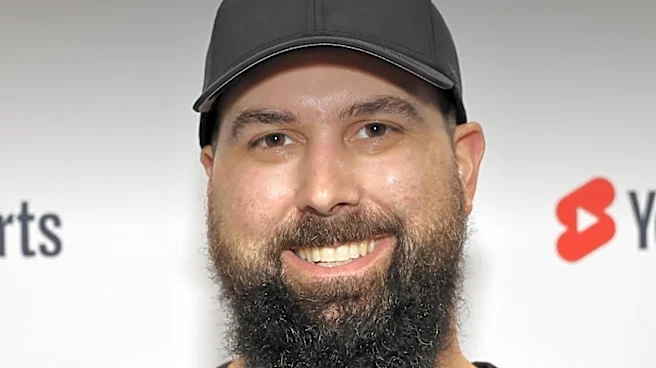
The father of YouTuber Mighty Mike Plays, known as Dave, has issued refunds for merchandise featuring AI-generated designs and retracted his earlier claim of being fired. This development follows a viral incident where Dave stated his son had inadvertently
spent $118,000 on YouTube advertisements using his company credit card. Initially, Dave claimed his job was at risk if the money wasn't repaid, leading to the sale of AI-designed T-shirts to cover the costs. In an hour-long video titled 'Allow me to explain…' posted on October 1, Dave admitted to making mistakes and being misunderstood. He clarified that he lost a contract with an unnamed company, which he considered equivalent to being fired, rather than being terminated from a direct employment position. He also addressed rumors about his financial status, including claims that he owned multiple homes worth approximately $4 million, despite suggesting he might need to sell his house to pay off the credit card charge. Dave also mentioned that memecoins and other merch shops were set up using the Mighty Mike Plays name, which he felt compelled to address to prevent others from profiting.
Why It's Important?
This incident highlights several critical issues within the creator economy and the broader digital landscape. Firstly, it underscores the financial risks associated with managing online content and advertising, particularly for individuals who may not have extensive business experience. The substantial sum allegedly spent on YouTube ads, regardless of intent, demonstrates the potential for rapid financial exposure in digital marketing. Secondly, the controversy surrounding AI-generated merchandise raises questions about authenticity, intellectual property, and consumer trust in the creator space. As AI tools become more accessible, creators face challenges in maintaining transparency with their audience regarding content and product origins. Thirdly, the public scrutiny of Dave's financial claims and the subsequent retraction of his 'fired' status reveal the intense pressure and public accountability that can accompany viral internet fame. This situation can impact the credibility of online personalities and influence how audiences perceive their narratives. The involvement of memecoins and unauthorized merchandise also points to the opportunistic nature of some actors within the crypto and online retail sectors, further complicating the financial and reputational landscape for creators.
What's Next?
Following Dave's public explanation and refunds, the immediate next steps will likely involve monitoring audience reception and any further actions taken by those who purchased the AI-designed merchandise. The incident may prompt YouTube and other platforms to review their advertising policies and support mechanisms for creators, especially concerning accidental or unauthorized spending. There could also be increased scrutiny on the use of AI in creator merchandise and a push for clearer disclosure standards. For Dave and Mighty Mike Plays, rebuilding trust with their audience will be crucial, potentially through more transparent communication and a commitment to avoiding similar controversies. The broader creator community might also see this as a cautionary tale, leading to more cautious approaches to financial management, merchandise creation, and public relations. The mention of memecoins and unauthorized shops could also lead to discussions about better protections for creators against third-party exploitation of their brand.
Beyond the Headlines
Beyond the immediate financial and reputational fallout, this event touches upon deeper implications regarding the evolving nature of work, digital identity, and the blurred lines between personal and professional life in the internet age. Dave's initial claim of being fired, later clarified as a lost contract, reflects the precariousness of modern employment, where traditional job security is often replaced by project-based work and contractual agreements. The public's reaction to his financial situation and the subsequent investigation into his assets highlight a growing trend of public figures' private lives being subjected to intense scrutiny, often fueled by online communities. This raises ethical questions about privacy and the extent to which the public is entitled to details about a creator's personal finances. Furthermore, the use of AI in merchandise and the rapid proliferation of memecoins around viral events underscore the challenges of regulating digital commerce and intellectual property in a fast-paced, decentralized online environment. This incident serves as a microcosm of the broader societal adjustments required to navigate a world increasingly shaped by digital platforms, AI, and the unpredictable dynamics of internet culture.