







What's Happening?
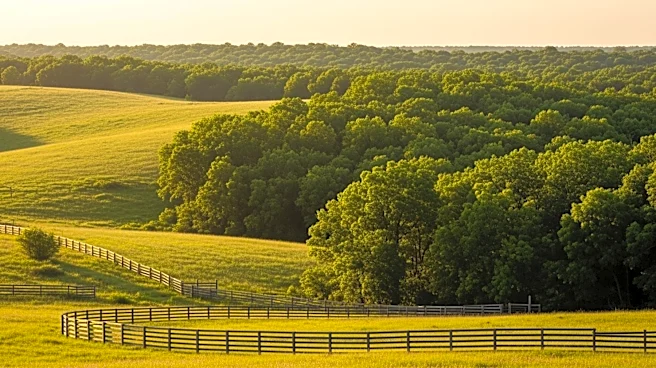
Ted Turner, renowned media mogul and one of America's largest private landowners, has left a significant conservation legacy following his recent passing. Turner dedicated decades to transforming over 3,125 square miles of ranchland across six states
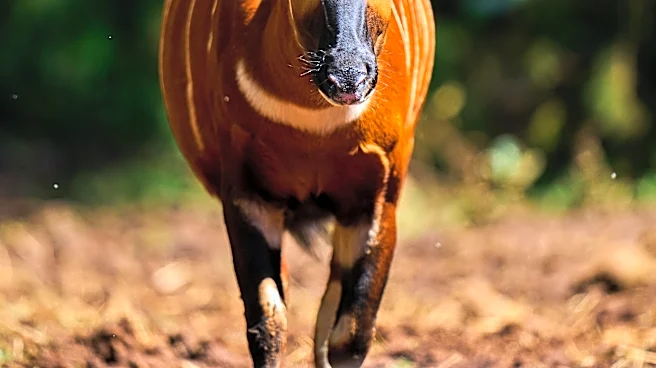
into conservation laboratories. He pioneered 'rewilding' by replacing cattle with native bison and initiated endangered species programs, demonstrating that conservation and business can coexist through 'eco-capitalism.' His efforts have been praised for restoring ecosystems but also faced criticism from western ranchers opposed to his wildlife reintroduction and land management practices.
Why It's Important?
Turner's conservation work highlights the potential for private landowners to play a crucial role in environmental preservation. His approach to integrating business with ecological stewardship offers a model for sustainable land management. By focusing on habitat restoration and species reintroduction, Turner addressed critical issues such as climate change and biodiversity loss. His legacy serves as an inspiration for future conservation efforts, emphasizing the importance of protecting natural resources for future generations.
Beyond the Headlines
Turner's initiatives have sparked discussions on the role of private land in conservation and the balance between economic interests and environmental protection. His concept of 'eco-capitalism' challenges traditional views on land use, suggesting that economic viability and ecological health can be mutually reinforcing. Turner's work also raises questions about the responsibilities of wealthy individuals in addressing global environmental challenges and the potential for private initiatives to complement public conservation efforts.