



What's Happening?
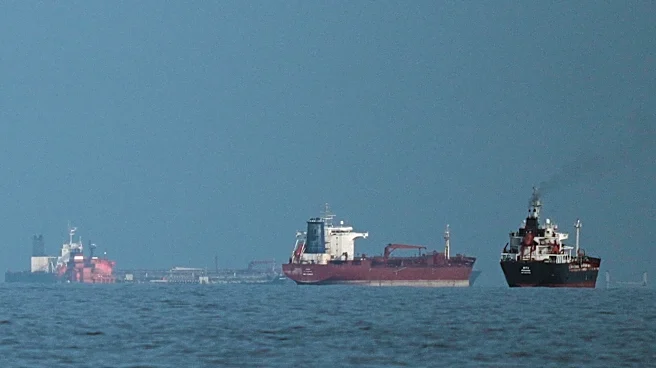
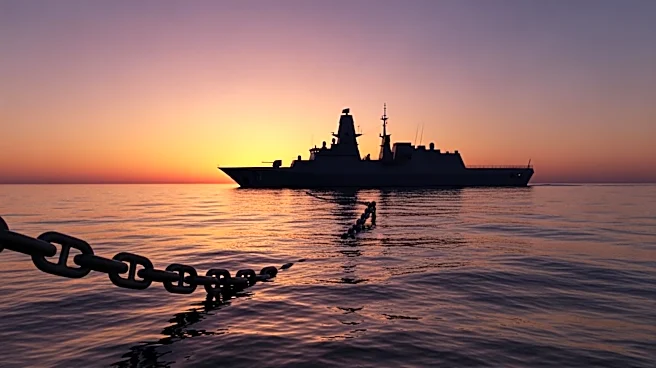
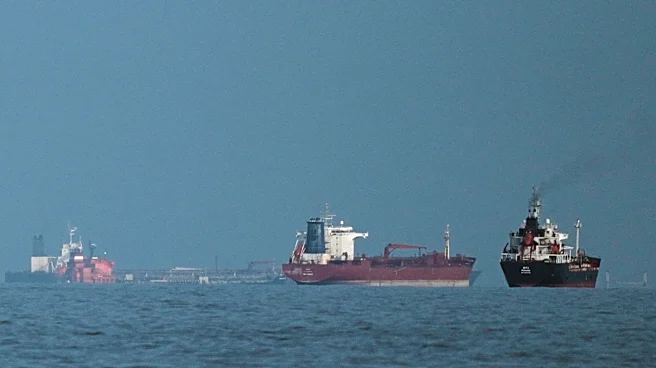
President Trump announced that a naval blockade on ships entering or exiting Iranian ports would take effect at 10 a.m. ET. This move is part of a broader pressure campaign following the collapse of negotiations with Tehran. The blockade is intended to
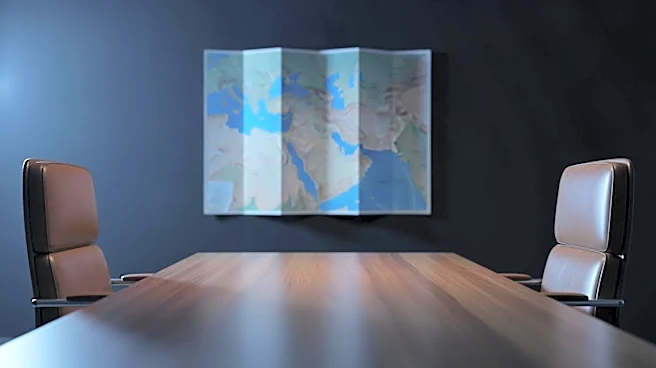
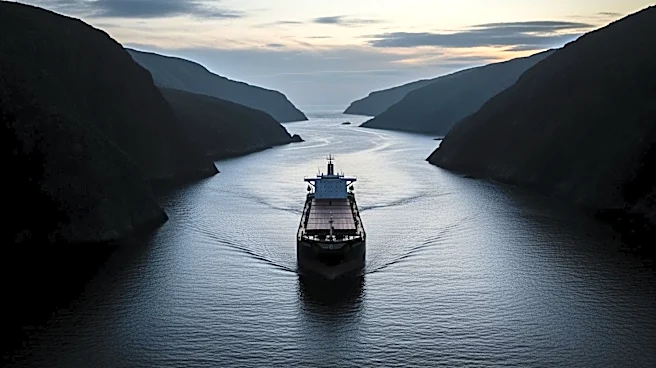
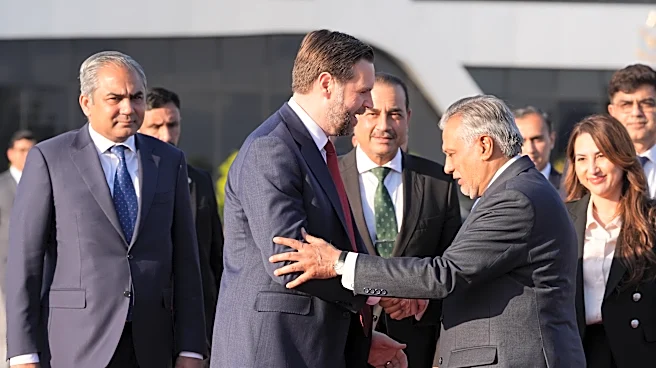
force Iran back to the negotiating table under less favorable conditions. U.S. Central Command is preparing to enforce the blockade, focusing on Iranian ports and the Strait of Hormuz. The blockade aims to increase economic pressure on Iran by threatening its oil exports. Diplomatic efforts continue, with Pakistan working to persuade the U.S. to return to talks.
Why It's Important?
The blockade represents a significant escalation in U.S.-Iran tensions, with potential implications for global oil markets and regional stability. The Strait of Hormuz is a critical shipping route for global oil supplies, and any disruption could lead to increased oil prices. The blockade also signals a shift in U.S. strategy, emphasizing economic pressure over military confrontation. However, the move carries risks, including potential retaliation from Iran and further destabilization of the region. The situation highlights the challenges of balancing diplomatic efforts with military strategies in addressing complex international conflicts.
What's Next?
The blockade is likely to increase tensions between the U.S. and Iran, with potential for further escalation if diplomatic efforts fail. The international community will be closely watching the situation, as any conflict in the Strait of Hormuz could have significant economic and security implications. The U.S. may face domestic and international pressure to find a peaceful resolution to the conflict. Meanwhile, Iran may seek to strengthen its alliances and explore alternative strategies to counter the blockade. The outcome of this situation could shape the future of U.S.-Iran relations and influence broader geopolitical dynamics in the Middle East.