



What's Happening?
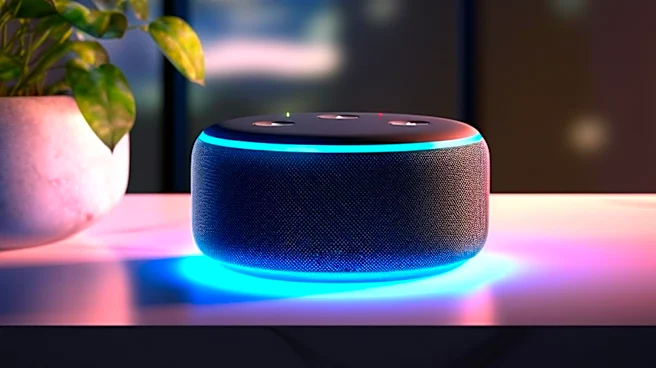
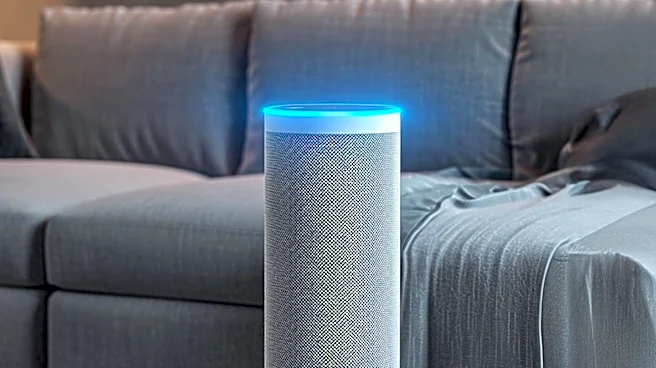
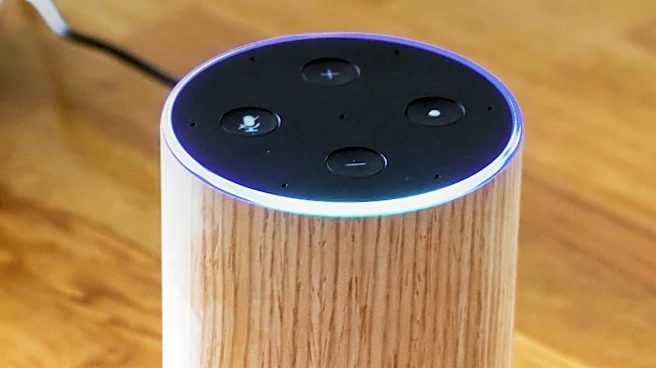
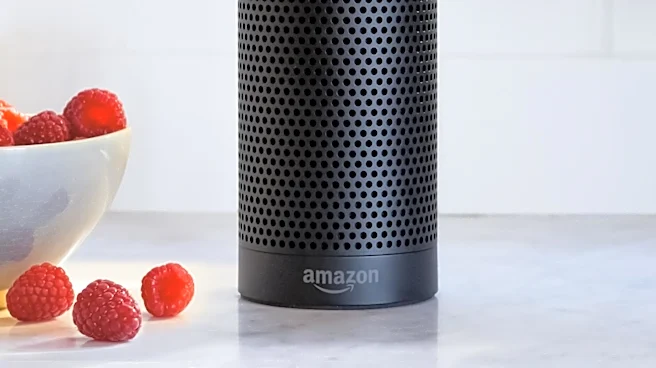
A recent DIY project successfully converted a second-generation Amazon Echo Dot (model RS03QR) into a Home Assistant voice satellite, replacing Amazon's Alexa service with local voice control capabilities. The project, detailed in a guide, involved unlocking
the device's hardware and installing custom software to integrate it with Home Assistant. This transformation allows users to retain the Echo Dot's physical components, such as its speaker, microphone array, and buttons, while shifting its functionality to a self-hosted smart home ecosystem. The process, tested on November 1, 2026, used specific software versions and a Windows 11 PC for the conversion. The modification keeps the Echo Dot's local wake-word detection but routes subsequent voice commands to Home Assistant for processing, utilizing various speech-to-text and text-to-speech engines. The guide emphasizes the technical steps, including driver installations, software setup, and the physical connection of the device, highlighting that the Echo Dot continues to run a modified version of Amazon's Fire OS rather than becoming an ESP32 device.
Why It's Important?
This development is significant for smart home enthusiasts and privacy-conscious users who wish to reduce their reliance on proprietary cloud services. By converting an Amazon Echo Dot into a Home Assistant satellite, individuals gain greater control over their voice data and smart home ecosystem, moving away from Amazon's data collection practices. It also extends the lifespan of older smart home hardware, promoting sustainability by repurposing devices that might otherwise become obsolete. The project demonstrates the growing trend of open-source alternatives in the smart home sector, empowering users to customize their environments beyond manufacturer limitations. The ability to choose between local and cloud-based speech processing engines within Home Assistant offers flexibility, allowing users to balance performance, privacy, and computational resources. This initiative could inspire further community-driven efforts to unlock and repurpose other smart devices, fostering innovation and user autonomy in the IoT landscape.
What's Next?
Following the successful conversion, the next steps involve optimizing the voice assistant's performance, particularly concerning speech recognition accuracy and speed. The guide notes that while local speech-to-text models like Whisper can be used, their performance varies significantly based on the model size and available hardware, often leading to trade-offs between speed and accuracy. Users may experiment with different Whisper model configurations (e.g., `small-int8` with adjusted `beam_size`) or invest in more powerful local hardware to improve response times. Further exploration includes integrating additional features supported by the project, such as Music Assistant playback, Bluetooth audio, and wake-word arbitration for multi-device setups. The project also highlights the importance of ongoing security administration, recommending that users keep the modified device on a trusted network and regularly review access settings. Future updates to the `echo-dot-assist` project and Home Assistant may introduce new functionalities or streamline the conversion process, making it more accessible to a broader audience.
Beyond the Headlines
Beyond the immediate technical achievement, this project touches upon broader themes of digital ownership, device longevity, and the open-source movement's impact on consumer electronics. In an era where many smart devices are designed with planned obsolescence and tight integration with proprietary ecosystems, this conversion offers a compelling counter-narrative. It challenges the notion that consumers are merely users of technology rather than owners with the right to modify and control their devices. The ethical implications revolve around consumer rights to repair and repurpose, pushing back against vendor lock-in. Legally, such modifications often operate in a gray area, as they typically void warranties and may infringe on software licensing agreements, though they are often tolerated within the DIY community. Culturally, this project exemplifies a growing desire for privacy and autonomy in the digital age, where users are increasingly wary of corporate data practices. It fosters a culture of tinkering and innovation, encouraging individuals to understand and reshape the technology they interact with daily, potentially leading to more robust and user-centric smart home solutions in the long term.