



What's Happening?
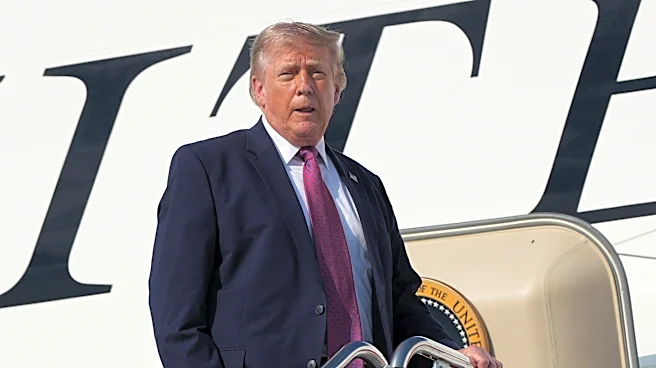
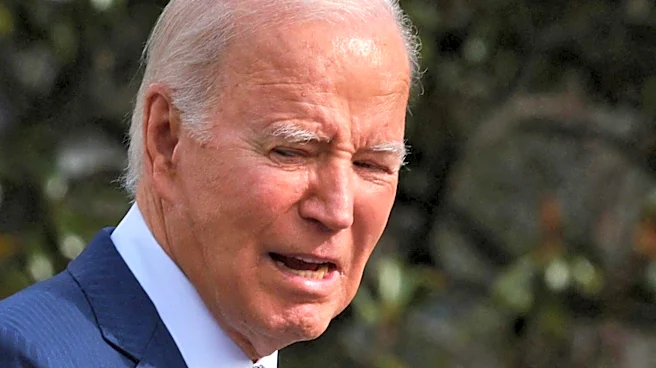
President Trump has issued pardons for six individuals he claims were unfairly targeted by the Biden administration's environmental policies. These individuals, including business owners and truck mechanics, were convicted of violating federal emissions-control
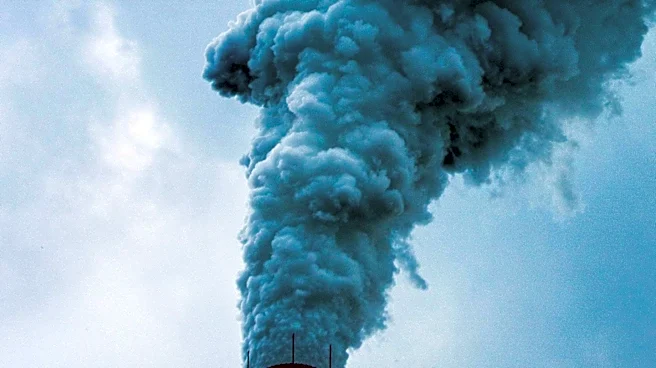
regulations. The pardons are part of Trump's broader effort to challenge what he describes as excessive federal regulation. The individuals were involved in modifying vehicles to bypass emissions-control systems, actions that federal prosecutors argued increased harmful pollutants. Trump announced the pardons on Truth Social, framing them as a response to the 'weaponization' of government under Biden. Additionally, Trump pardoned Adam Kidan, a former business partner of lobbyist Jack Abramoff, and ranch owner Jack Harvard, citing their post-conviction conduct and contributions.
Why It's Important?
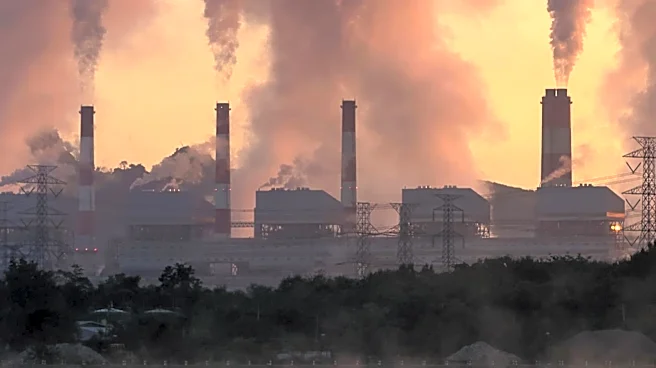
The pardons highlight ongoing debates over federal environmental regulations and their impact on small businesses and the auto industry. Trump's actions reflect his administration's stance against what it perceives as regulatory overreach, which he argues stifles economic growth and burdens consumers. Critics, however, contend that these regulations are essential for protecting public health and the environment. The pardons may further polarize opinions on environmental policy and the role of federal oversight. They also underscore Trump's continued influence in shaping policy discussions, particularly regarding deregulation and clemency, which have been hallmarks of his administration.
What's Next?
The pardons could prompt further scrutiny of federal environmental policies and enforcement practices. Stakeholders in the auto industry and environmental advocacy groups may respond with calls for legislative or regulatory changes. The move may also influence future political discourse on the balance between economic interests and environmental protection. As Trump continues to issue pardons, the implications for the justice system and perceptions of political bias in clemency decisions may become more pronounced.
Beyond the Headlines
The pardons raise questions about the ethical implications of using clemency powers to challenge regulatory frameworks. They may also impact public trust in the justice system, as critics argue that such actions could undermine the perceived impartiality of legal processes. The broader cultural and political ramifications of these pardons could influence future administrations' approaches to clemency and regulatory policy.