




What's Happening?
Lag BaOmer, a significant day in the Jewish calendar, is celebrated across Israel with vibrant bonfires and communal gatherings. This holiday, which occurs on the 33rd day of the Omer, marks a pause in a period of mourning between Passover and Shavuot.
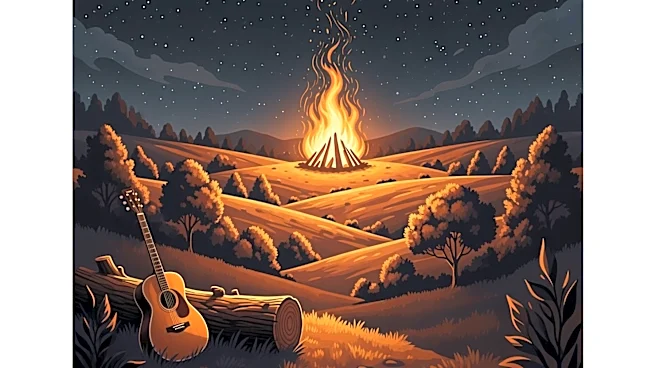
The festivities are most visible through the numerous bonfires that light up the night skies, as families and friends come together to sing, share food, and enjoy each other's company. In cities like Netanya and Bnei Brak, as well as in the Orthodox neighborhood of Mea Shearim in Jerusalem, the celebrations are particularly lively. Children and adults alike participate in building and lighting bonfires, a tradition that symbolizes warmth and community spirit. The event is not only a time for celebration but also a moment for reflection and connection within the Jewish community.
Why It's Important?
Lag BaOmer holds cultural and religious significance for Jewish communities, serving as a moment of unity and celebration amidst a period traditionally marked by mourning. The holiday provides an opportunity for communal bonding and cultural expression, reinforcing social ties and cultural identity. In Israel, where the holiday is widely observed, it underscores the importance of tradition and community in maintaining cultural heritage. The bonfires and gatherings also have economic implications, as they stimulate local economies through the purchase of materials and food for the celebrations. Moreover, the event attracts tourists and visitors, contributing to the cultural tourism sector. The widespread participation in Lag BaOmer highlights the resilience and continuity of Jewish traditions in modern society.
What's Next?
As Lag BaOmer concludes, communities will transition back into the period of the Omer, leading up to the festival of Shavuot. This period is traditionally one of reflection and preparation for the giving of the Torah, which Shavuot commemorates. In the aftermath of the celebrations, there may be discussions around environmental impacts, such as air quality concerns due to the bonfires, prompting potential regulatory considerations for future events. Additionally, community leaders might focus on enhancing safety measures for upcoming celebrations to ensure the well-being of participants. The cultural and social impacts of Lag BaOmer will continue to resonate, influencing community activities and religious observances in the weeks to come.