






What's Happening?
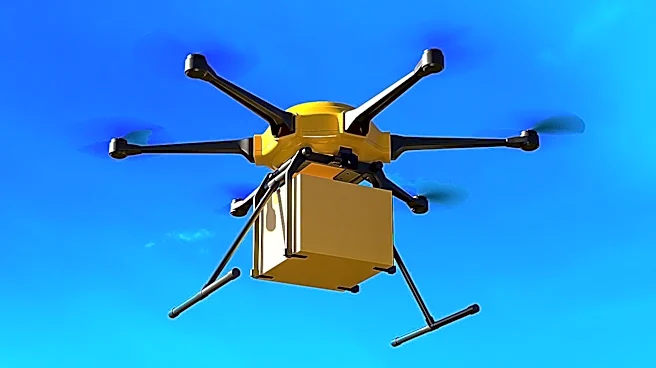
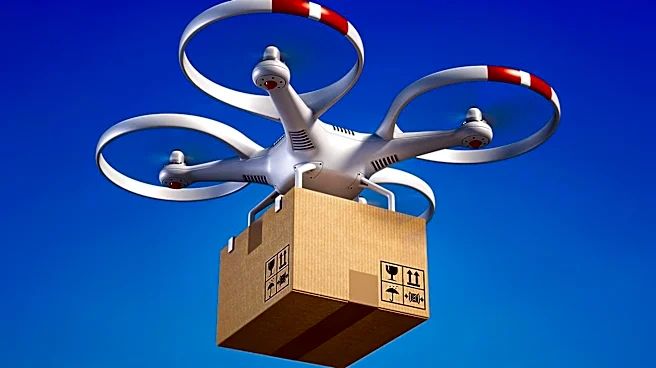
A U.S. company operating in Rwanda is using drones to deliver medical supplies, including blood, to remote areas, significantly impacting the country's healthcare system. Despite the technological advancements, the initiative faces challenges due to Rwanda's
weak healthcare infrastructure. The drones, operated by the American company Zipline, have been crucial in delivering essential medical supplies quickly, especially in emergencies. However, the effectiveness of this service is limited by poor road conditions and recent cuts in U.S. aid, which have affected healthcare services in Rwanda. The initiative is part of a broader effort to integrate technology into healthcare delivery, supported by a grant from the U.S. government.
Why It's Important?
The use of drones for medical supply delivery in Rwanda represents a significant technological advancement in healthcare logistics, offering a model that could be replicated in other regions with similar infrastructure challenges. This initiative highlights the potential of technology to overcome logistical barriers in healthcare delivery, improving access to essential medical supplies in remote areas. However, the reliance on such technology also underscores the need for robust infrastructure and consistent funding. The recent cuts in U.S. aid pose a risk to the sustainability of these services, potentially impacting the health outcomes of vulnerable populations in Rwanda.
What's Next?
The expansion of drone delivery services in Rwanda is expected to continue, with plans to increase coverage across the country. However, the success of this initiative will depend on addressing infrastructure challenges and securing sustainable funding. The Rwandan government and international partners may need to explore additional investments in road and healthcare infrastructure to support the effective delivery of medical services. The situation also calls for a reassessment of international aid strategies to ensure that technological advancements are complemented by necessary infrastructure improvements.
Beyond the Headlines
The integration of drone technology in healthcare delivery raises important questions about the role of technology in addressing global health challenges. While drones offer a promising solution for improving access to medical supplies, they cannot replace the need for comprehensive healthcare infrastructure. This development highlights the importance of a balanced approach that combines technological innovation with investments in infrastructure and capacity building. Additionally, the reliance on international aid for such initiatives underscores the need for sustainable development strategies that empower local communities and governments.