




What's Happening?
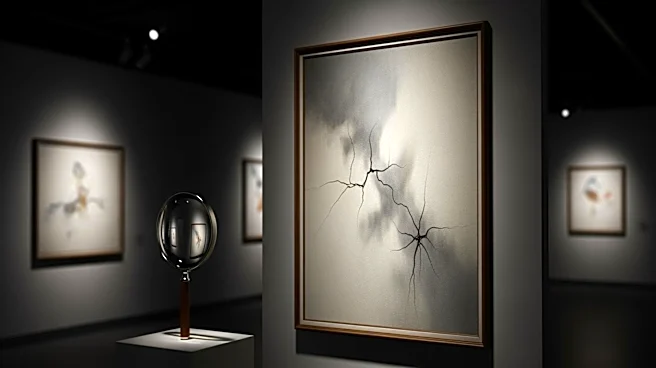
Erwin Bankowski and his daughter Karolina Bankowska, residents of New Jersey, have admitted to running a $2 million art forgery operation. They sold fake artworks, allegedly by renowned artists like Banksy and Warhol, to New York City's art auction houses.
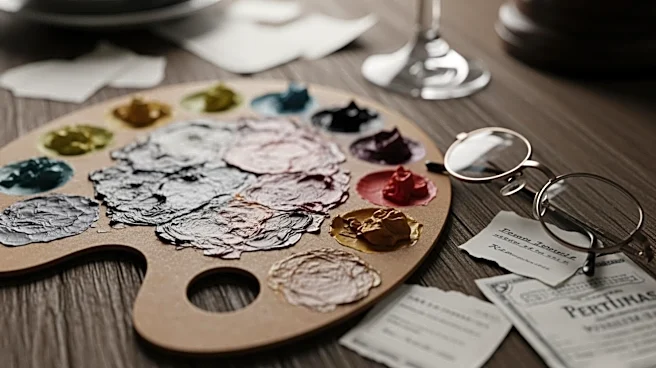
The forgeries were crafted by a Polish artist and included fake stamps and antique paper to mimic authenticity. The scheme, which began in 2020, involved over 200 counterfeit pieces. The duo's most lucrative fake, attributed to Richard Mayhew, fetched $160,000. They face charges of wire fraud conspiracy and misrepresenting Native American-produced goods, with potential prison time and deportation.
Why It's Important?
This incident exposes significant flaws in the art market's ability to authenticate artworks, potentially leading to financial losses and reputational damage for buyers and auction houses. The case may prompt the art industry to adopt more stringent verification processes to safeguard against forgeries. It also highlights the broader issue of art crime, which can affect the market's stability and the cultural heritage associated with genuine artworks. The involvement of major auction houses in the scam could lead to increased regulatory oversight and changes in industry practices.
What's Next?
The sentencing of the father and daughter could set a precedent for future art forgery cases, influencing how such crimes are prosecuted and penalized. The art market may see a push for enhanced authentication technologies and practices to prevent similar scams. Auction houses might implement stricter due diligence procedures to verify the provenance of artworks. The case could also encourage international cooperation in combating art crime, given the cross-border elements of the forgery operation.
Beyond the Headlines
The case raises ethical questions about the responsibilities of art dealers and auction houses in verifying the authenticity of artworks. It also highlights the cultural implications of art forgery, as it can distort the historical and artistic value of genuine pieces. The global nature of the forgery operation underscores the need for international collaboration in addressing art crime effectively.