




What's Happening?
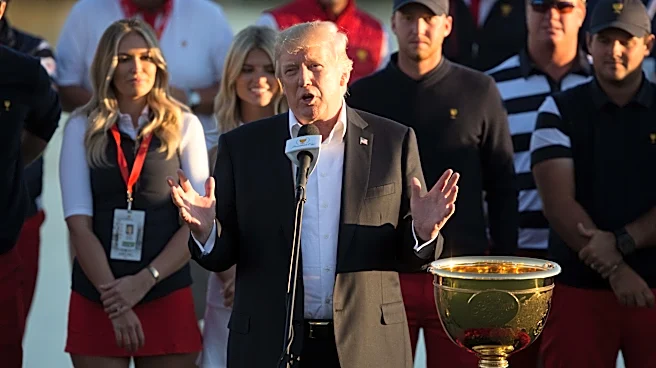
President Trump has publicly expressed support for federal tax incentives aimed at boosting the U.S. film and television production industry. In a message on Truth Social, President Trump stated that 'Hollywood is a Complete and Total Disaster!' and advocated
for federal tax credits to 'Make our Movie and Television Production Business GREAT AGAIN, perhaps GREATER THAN EVER BEFORE!' He indicated that meetings are being arranged with bipartisan leaders to craft legislation to save the industry. This move comes after various figures, including Paramount Skydance CEO David Ellison and one-time L.A. mayoral hopeful Spencer Pratt, have championed such incentives. Notably, Jon Voight, described as President Trump's 'special ambassador' to Hollywood, has been a consistent advocate for these tax credits, working with industry unions, the Motion Picture Association (MPA), and independent filmmakers. The MPA and the Directors Guild of America (DGA) have both welcomed President Trump's endorsement, highlighting the potential for job creation and increased competitiveness for U.S. production.
Why It's Important?
The endorsement of federal tax incentives by President Trump signifies a potentially significant shift in policy that could profoundly impact the U.S. entertainment industry. Currently, many film and television productions opt to shoot in other countries due to more attractive tax credits offered by nations like Canada, the U.K., and Australia. A federal incentive would allow U.S. productions to stack these new credits on top of existing state-level incentives, making the U.S. a more competitive location for filming. This could lead to a substantial increase in domestic production, creating jobs across various sectors, from technical crews and actors to support services and local businesses in communities hosting productions. The move is seen as crucial for strengthening the national economy and ensuring the U.S. remains a global leader in film and television. Both industry trade groups and unions, such as the MPA and DGA, anticipate that this action will promote domestic production, foster economic growth, and enhance the country's creative output.
What's Next?
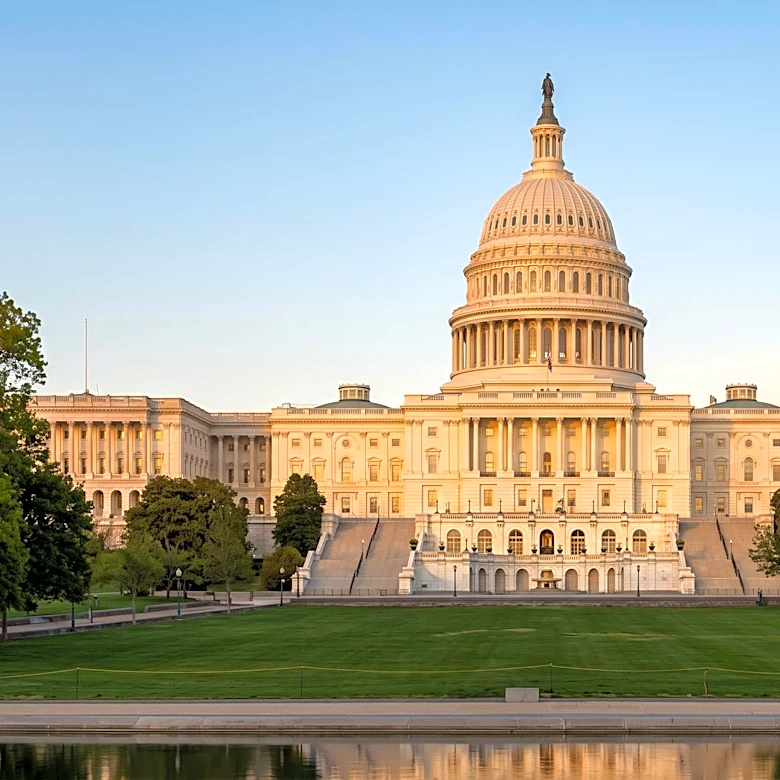
Following President Trump's endorsement, meetings are being set up with bipartisan leaders in Congress to develop legislation for federal film and television tax incentives. The form this legislation will take is currently unclear, but sources suggest it could be included in a broader tax package, integrated into a reconciliation package, or introduced as a standalone bill. Key stakeholders, including Democratic Representatives Laura Friedman and Senator Adam Schiff, who have previously championed such legislation, have voiced their support for the urgency of the matter. Their statements indicate a potential for bipartisan cooperation on this issue. The industry will be closely watching the legislative process, as the successful passage of such a bill could lead to a resurgence in U.S. film and television production, attracting more projects back to American soil and stimulating economic activity in various states.
Beyond the Headlines
Beyond the immediate economic and political implications, the push for federal film and television tax incentives touches upon deeper cultural and ethical considerations. The narrative of 'saving' Hollywood, as framed by President Trump, highlights a concern for maintaining the U.S.'s cultural influence and creative output in a globalized industry. The debate also implicitly raises questions about the role of government in supporting specific industries, particularly one as influential as entertainment. While proponents emphasize job creation and economic competitiveness, critics might scrutinize the allocation of taxpayer money to a sector often perceived as affluent. The long-term impact could reshape the landscape of American storytelling, potentially encouraging more diverse and regionally specific narratives if production spreads beyond traditional hubs. This initiative could also spark a broader discussion about national identity and the importance of domestic cultural production in an increasingly interconnected world.