







What's Happening?
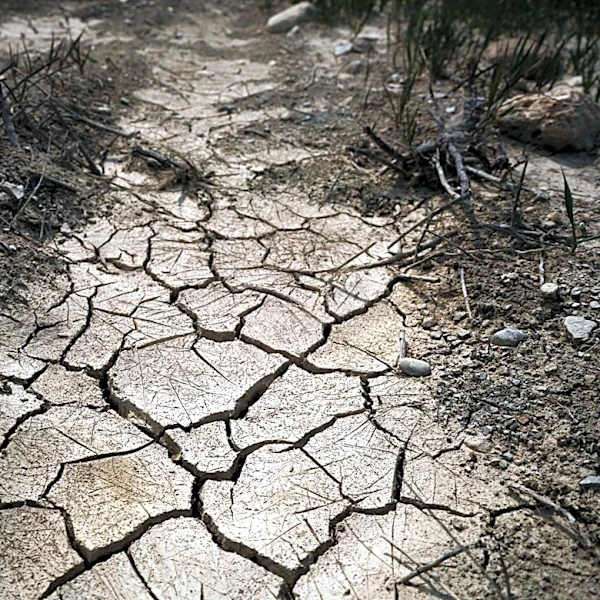
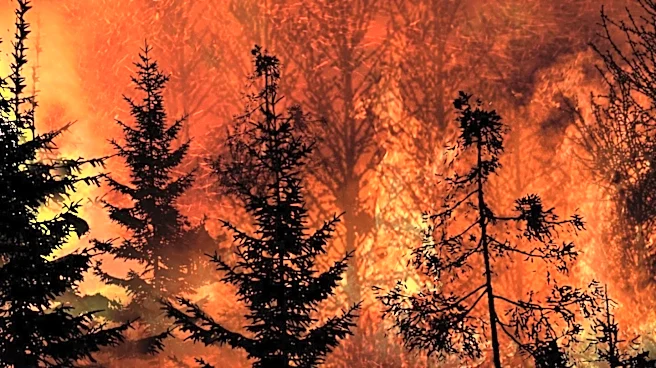
A severe heatwave in Europe has resulted in at least 3,700 excess deaths across France, Belgium, and the Netherlands. The heatwave, which occurred from June 20-28, 2026, is considered the worst recorded in Europe, significantly impacting power generation,
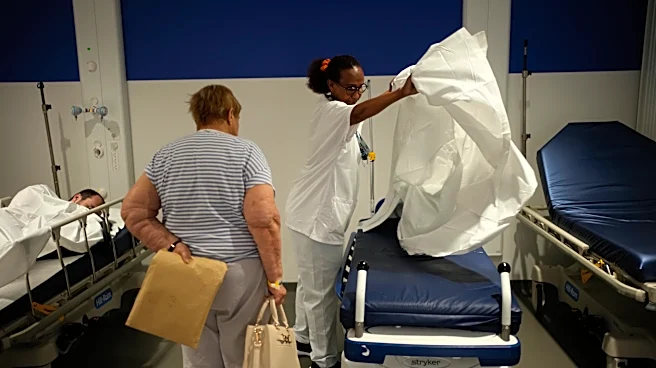
damaging infrastructure, and overwhelming healthcare systems. French Health Minister Stephanie Rist reported 2,025 excess deaths in France, with a notable increase in mortality among individuals over 45. In Belgium, the Health Ministry recorded approximately 1,200 excess deaths, with 530 among those aged 85 or older. The Netherlands reported about 480 excess deaths, primarily affecting the elderly. Authorities have warned that these figures are preliminary and likely to rise. Scientists attribute the extreme heat to climate change, highlighting the unprecedented nature of the mortality rates during this period.
Why It's Important?
The heatwave's impact underscores the growing challenges posed by climate change, particularly in terms of public health and infrastructure resilience. The significant number of excess deaths highlights the vulnerability of older populations to extreme weather events. Additionally, the disruption to power generation and infrastructure points to the need for improved systems capable of withstanding such conditions. This event serves as a critical reminder of the urgent need for climate adaptation strategies and policies to protect vulnerable populations and maintain essential services during extreme weather events. The economic implications are also significant, as disruptions in power and infrastructure can lead to broader economic challenges, affecting industries and daily life.
What's Next?
As the immediate effects of the heatwave continue to be assessed, European countries may need to implement more robust climate adaptation measures. This could include enhancing healthcare systems to better handle heat-related illnesses and upgrading infrastructure to withstand extreme temperatures. Policymakers might also focus on developing early warning systems and public awareness campaigns to mitigate the impact of future heatwaves. The event is likely to prompt discussions on international cooperation in addressing climate change and its effects, potentially influencing future climate policies and agreements.
Beyond the Headlines
The heatwave's unprecedented mortality rates raise ethical and social questions about the preparedness of societies to protect their most vulnerable members. The event highlights the need for equitable access to resources such as cooling centers and healthcare during extreme weather events. It also underscores the importance of integrating climate change considerations into urban planning and public health strategies. Long-term, this could lead to shifts in how cities are designed, with a focus on sustainability and resilience to climate impacts.