





What's Happening?
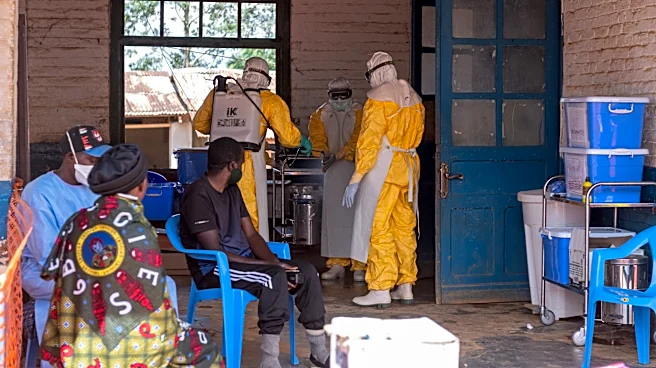
The World Health Organization (WHO) has reported a significant increase in Ebola cases in the Democratic Republic of the Congo (DRC) and Uganda since late May 2026. As of June 6, the DRC has confirmed 515 cases and 91 deaths, while Uganda has reported 19
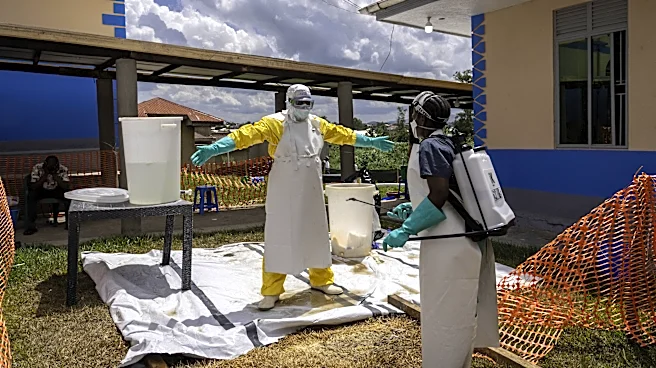
confirmed cases and two deaths. The outbreak, primarily concentrated in the Ituri province of the DRC, has seen a rapid rise in cases due to improved testing and diagnostic capabilities. The WHO has declared the situation a public health emergency of international concern, urging for enhanced preparedness and response measures. The outbreak is linked to the Bundibugyo strain of the Ebola virus, with cross-border transmission to Uganda. Efforts are underway to trace over 5,000 contacts and implement public health interventions.
Why It's Important?
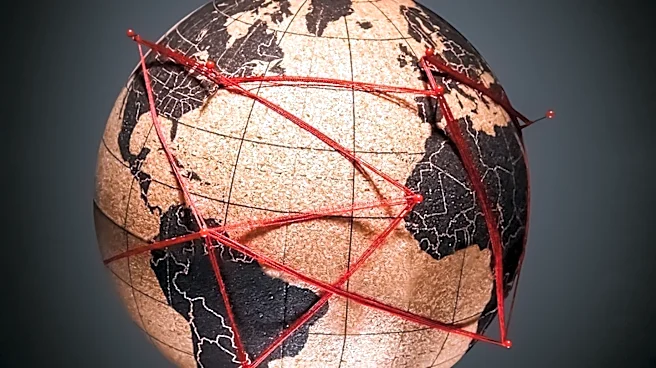
The rapid escalation of Ebola cases poses a significant public health challenge, particularly in regions with limited healthcare infrastructure. The outbreak's spread to Uganda highlights the potential for cross-border transmission, necessitating coordinated international efforts to contain the virus. The WHO's declaration underscores the urgency of the situation, as the risk of further spread could have severe implications for regional stability and global health security. The outbreak also stresses the importance of robust surveillance systems and international collaboration in managing infectious disease threats.
What's Next?
The WHO, in collaboration with national authorities and international partners, is intensifying efforts to control the outbreak. This includes scaling up testing, contact tracing, and public health interventions. The Africa CDC and WHO have launched a joint preparedness and response plan, seeking $518 million to support African countries in managing the outbreak. Continued monitoring and rapid response are crucial to prevent further spread, with a focus on strengthening healthcare systems and community engagement to ensure effective containment.