
What's Happening?
President Trump has dismissed Iran's latest peace proposal as 'TOTALLY UNACCEPTABLE,' according to a report by the Wall Street Journal. Iran had offered to transfer some of its highly enriched uranium
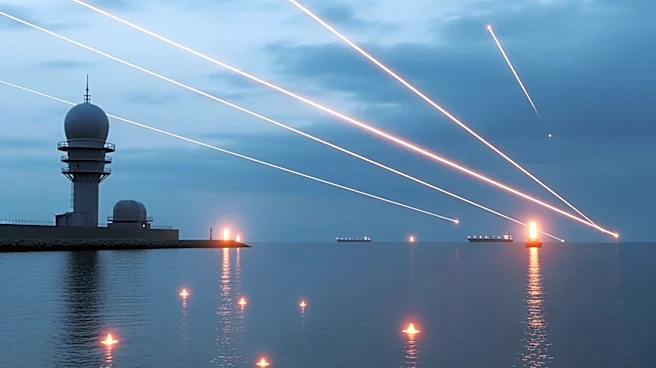
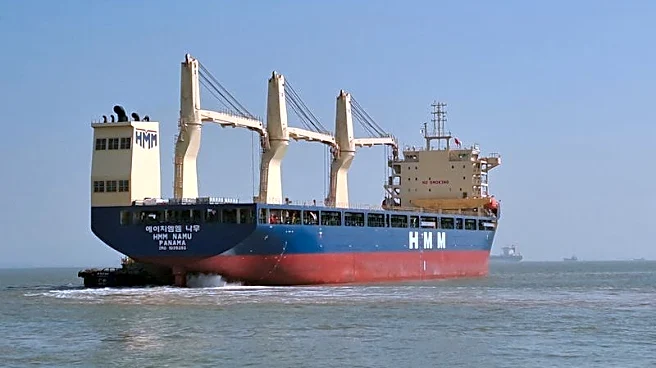
to a third country but refused to dismantle its nuclear facilities. This rejection comes amid a 10-week conflict that has resulted in thousands of deaths and increased oil prices. A recent drone strike in the Persian Gulf further escalated tensions, briefly setting a cargo vessel ablaze. The financial markets are expected to react as futures trading in stocks, bonds, and energy resumes, with the dollar already showing strength against major currencies.
Why It's Important?
The ongoing conflict between the U.S. and Iran has significant implications for global markets, particularly in the energy sector. The Strait of Hormuz, a critical chokepoint for oil transportation, remains a focal point for investors. The rejection of the peace proposal could lead to further instability in the region, affecting oil prices and market volatility. The situation also underscores the geopolitical risks that can impact global economic stability, with potential repercussions for U.S. economic interests and energy security.
What's Next?
As the conflict continues, stakeholders will be closely monitoring developments in the Strait of Hormuz and any potential diplomatic efforts to resolve the situation. The U.S. and Iran may face increased pressure from the international community to find a peaceful resolution. Market participants will also be watching for any changes in U.S. foreign policy or military actions that could influence the geopolitical landscape and economic conditions.