




What's Happening?
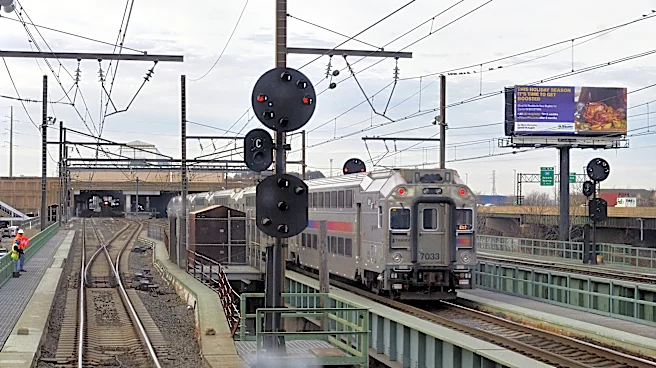
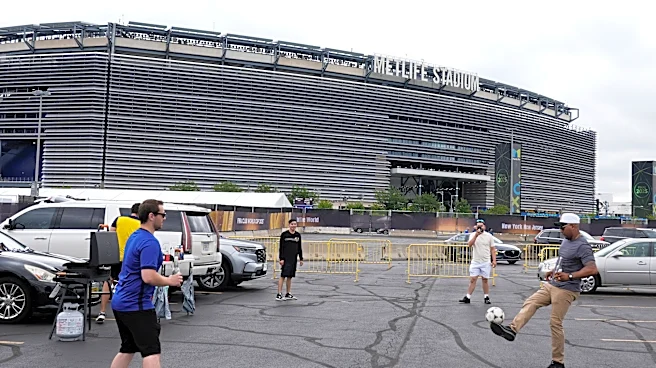
NJ Transit has announced a significant fare increase for train tickets to the 2026 FIFA World Cup matches at MetLife Stadium in East Rutherford, New Jersey. The round-trip fare from New York Penn Station to the stadium will rise from the usual $12.90
to $150. This decision, defended by NJ Transit CEO Kris Kolluri, is intended to cover the $48 million cost of transporting fans to the games. Kolluri emphasized that New Jersey commuters should not bear the financial burden of the event, which is expected to draw 40,000 attendees per match. The fare hike has sparked controversy, with New Jersey Governor Mikie Sherrill urging FIFA to cover the transportation costs, arguing that the agreement inherited by her administration did not allocate any funds from FIFA for this purpose.
Why It's Important?
The fare increase highlights the financial challenges and logistical complexities of hosting a major international event like the FIFA World Cup. For NJ Transit, the decision to raise fares is a measure to prevent New Jersey taxpayers from subsidizing the costs associated with the influx of fans. However, this move has drawn criticism from both local officials and FIFA. Governor Sherrill's call for FIFA to cover the costs underscores the tension between local governments and international organizations over financial responsibilities. The situation also raises questions about the economic impact of the World Cup on local communities, as the high transportation costs could deter attendance and affect the anticipated economic benefits.
What's Next?
As the World Cup approaches, further discussions and negotiations between NJ Transit, the New Jersey government, and FIFA are likely. Governor Sherrill's insistence on FIFA covering transportation costs may lead to additional pressure on the organization to reconsider its financial commitments. Meanwhile, NJ Transit will need to manage the logistical challenges of transporting large crowds efficiently, especially with limited parking and rideshare options at the stadium. The outcome of these negotiations could set a precedent for how transportation costs are handled in future large-scale events.