






What's Happening?
Eswatini, a landlocked nation in southern Africa, is intensifying its efforts to eliminate malaria amid challenges posed by climate change, economic migration, and insecticide resistance. The country recorded 362 confirmed malaria cases in 2024, while
neighboring Mozambique reported 11.6 million cases. Informal migration and porous borders facilitate the spread of malaria, complicating eradication efforts. The changing climate is creating favorable conditions for mosquito breeding, extending the malaria season. Eswatini's malaria program is actively monitoring and responding to new cases, employing insecticide sprays and community outreach to control the disease.
Why It's Important?
Eswatini's battle against malaria highlights the broader challenges faced by countries in eradicating infectious diseases. The interplay of climate change, migration, and resource constraints underscores the complexity of disease control efforts. Successful elimination of malaria in Eswatini could serve as a model for other regions facing similar challenges. However, the situation also illustrates the need for sustained international support and collaboration to address the multifaceted nature of disease eradication. The potential for increased malaria transmission due to climate change and migration poses a significant public health risk, necessitating comprehensive strategies to mitigate these factors.
What's Next?
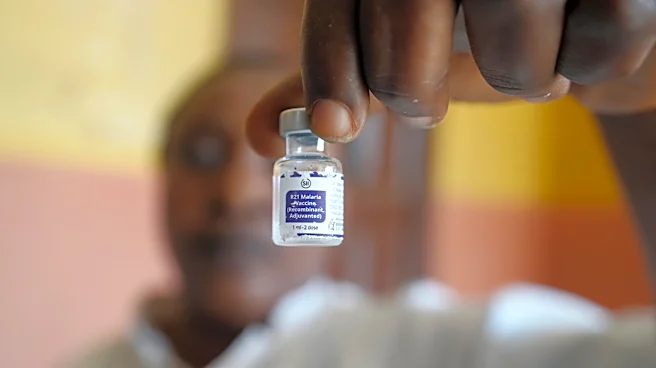
Eswatini's government is exploring integrated border controls with neighboring countries to enhance health surveillance and reduce informal crossings. The country aims to simplify access to travel documents to better track and control disease spread. Continued efforts to strengthen community engagement and improve access to malaria prevention tools, such as bed nets and insecticides, are critical. International aid and collaboration will be essential in supporting Eswatini's malaria elimination goals, particularly in light of funding cuts and increasing resistance to existing treatments.