







What's Happening?
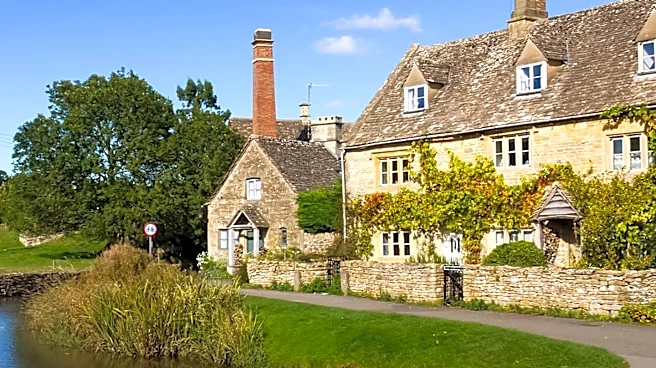
Overtourism has become a significant problem in the English Cotswolds, particularly in villages like Bibury and Bourton-on-the-Water. These picturesque locations, often highlighted on social media, are experiencing an overwhelming influx of visitors,
far exceeding their infrastructure capacity. Bibury, with approximately 630 residents, can see up to 20,000 visitors on a peak summer weekend, leading to severe congestion and disruption. The situation has escalated to the point where a resident in Bibury was assaulted last year during a parking dispute with tourists, underscoring the frayed patience among locals. Photographs have circulated showing tourists climbing fences and leaning on historic stonework for pictures, treating residential areas as mere backdrops. In response, Gloucestershire County Council has allocated £175,000 to a Bibury Overtourism and Safety Mitigation Scheme, developed in collaboration with local councils, businesses, and law enforcement. Similar issues are reported in Bourton-on-the-Water, where residents have protested the volume of visitors and the lack of control over tourism's impact.
Why It's Important?
The struggle with overtourism in the Cotswolds highlights a growing global challenge where the economic benefits of tourism clash with the quality of life for local residents and the preservation of cultural heritage. While tourism brings vital revenue to local businesses, the sheer volume of visitors can strain resources, degrade the environment, and erode the unique character of these historic villages. The incident of a resident being assaulted underscores the social friction that can arise when tourist behavior becomes intrusive and disrespectful. This situation is important for U.S. tourism and urban planning as it provides a case study on the potential negative consequences of unchecked tourism growth, particularly in areas that gain viral popularity through social media. It prompts consideration of how to balance economic gain with community well-being and sustainable tourism practices, a challenge faced by many popular U.S. destinations. The council's investment and collaborative approach offer a model for other regions grappling with similar issues, emphasizing the need for multi-stakeholder solutions.
What's Next?
Gloucestershire County Council's Bibury Overtourism and Safety Mitigation Scheme is currently under consultation, proposing measures such as extended yellow lines to prevent opportunistic parking, a pay-and-display system with resident exemptions, and raised kerbs to pedestrianize parts of the village center. A trial has already closed coach bays in the village center, redirecting buses to new stops near the Trout Farm for safer drop-off and pick-up. Across the wider district, Cotswold District Council and Gloucestershire County Council are conducting joint workshops to address traffic calming, improve public transport, and tighten regulations on short-term holiday lets. These efforts aim to shift away from the day-trip model, which contributes significantly to congestion and leaves minimal economic benefit, towards encouraging longer stays and exploring less-photographed villages. The success of these initiatives will depend on continued collaboration between residents, businesses, and local authorities to find a sustainable balance for tourism in the region.
Beyond the Headlines
The overtourism crisis in the Cotswolds reveals deeper implications beyond traffic and parking. It exposes the ethical dilemma of how global attention, often amplified by social media, can transform authentic communities into 'film sets' for content creators, diminishing the lived experience of residents. The rise of 'influencer' culture means that visitors are increasingly treating these villages as backdrops for their online content, sometimes disregarding local customs or property. This phenomenon challenges the traditional understanding of tourism as a mutually beneficial exchange, instead highlighting a potential commodification of local life. The debate also touches on the structural impact of second homes and Airbnb listings, which can hollow out permanent communities and exacerbate housing shortages, even outside peak seasons. The long-term shift towards region-wide planning and regulation of short-term lets suggests a growing recognition that individual villages cannot tackle these complex issues in isolation, pointing to a need for broader policy changes to protect community integrity and cultural authenticity in popular destinations.