




What's Happening?
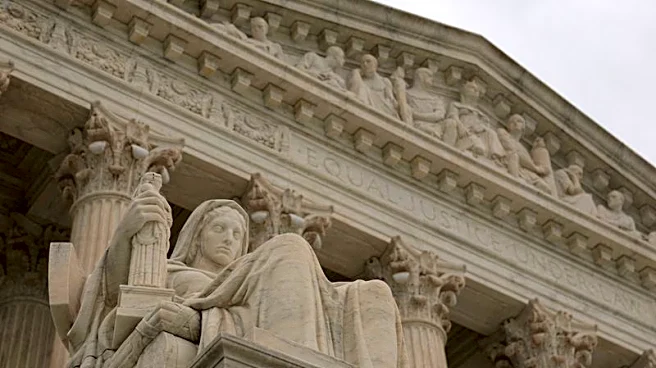
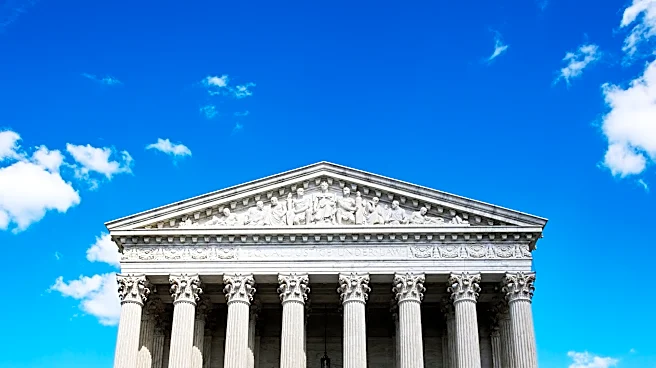
The Treasury Department is defending the employment of Philip Alito, son of Supreme Court Justice Samuel Alito, following reports of his senior legal role within the department. Philip Alito joined the Treasury as a political appointee early last year,
during a period when the department was involved in Supreme Court litigation concerning President Trump's use of emergency powers to impose tariffs. Despite his father's involvement in related Supreme Court cases, Philip Alito reportedly does not counsel on matters expected to appear before the Court. The Treasury Department and the Supreme Court have both stated that Philip Alito complies with all ethical obligations. However, questions about potential conflicts of interest have been raised, particularly as the department faces legal challenges related to Trump's 'anti-weaponization fund'.
Why It's Important?
The situation highlights ongoing concerns about ethics and potential conflicts of interest within the U.S. government, particularly when family members of high-ranking officials hold influential positions. The involvement of Philip Alito in the Treasury Department during significant legal proceedings involving his father underscores the delicate balance between professional roles and personal affiliations. This case could impact public trust in the impartiality of government operations and the judiciary, especially as the Supreme Court continues to handle cases with far-reaching implications. The scrutiny of Philip Alito's role may also influence future appointments and the vetting process for political appointees, emphasizing the need for transparency and adherence to ethical standards.
What's Next?
As the Treasury Department continues to navigate legal challenges, including those related to the 'anti-weaponization fund', the role of Philip Alito may come under further examination. Stakeholders, including political leaders and ethics watchdogs, may call for more stringent oversight and disclosure requirements for appointees with familial ties to influential figures. The outcome of ongoing legal cases could also affect the department's operations and its approach to handling potential conflicts of interest. Additionally, the situation may prompt discussions about the ethical guidelines governing the involvement of relatives of Supreme Court justices in government roles.