





What's Happening?
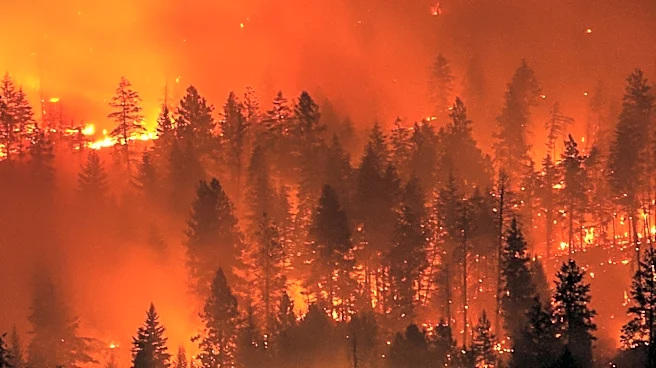
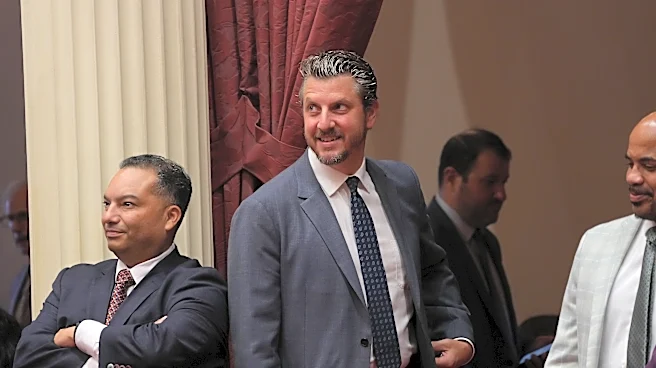
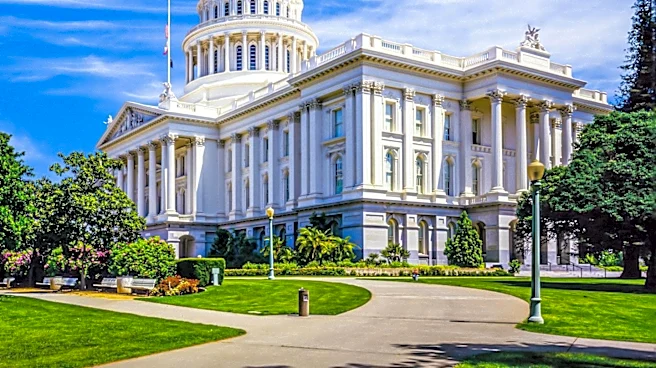
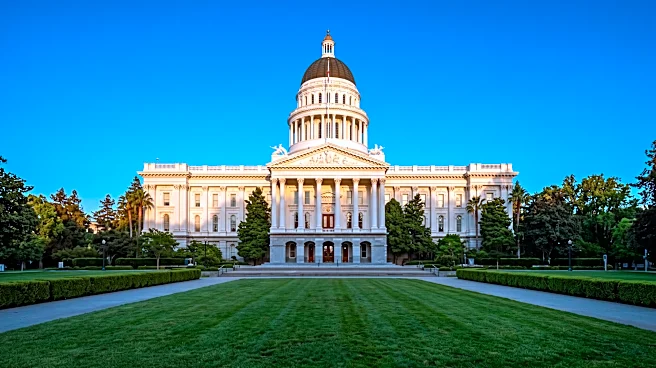
The California Assembly has postponed a vote on legislation aimed at assisting wildfire victims, with Assembly Speaker Robert Rivas stating that the current proposal does not provide the necessary relief, accountability, or meaningful reform. The bill,
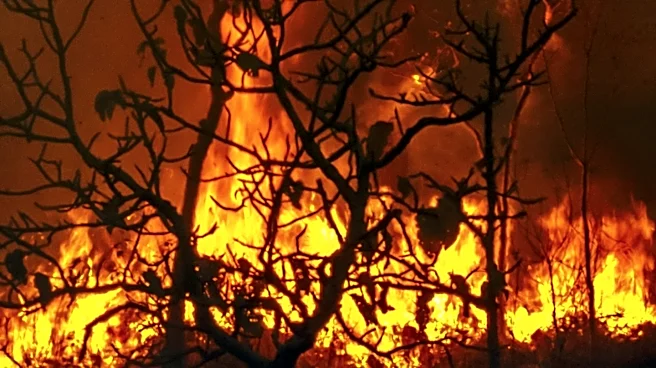
which was a compromise following the rejection of Governor Gavin Newsom's more ambitious plan, sought to expedite payments to fire victims, prohibit hedge funds from profiting from wildfire claims, and prevent utility executives from receiving bonuses if their company's equipment caused a blaze damaging over 500 buildings. Governor Newsom also expressed disappointment, noting that while the compromise had some benefits, it failed to enact comprehensive structural changes regarding who bears the cost of utility-ignited fires. Lawmakers are expected to revisit the issue in the fall.
Why It's Important?
The ongoing struggle to establish effective wildfire compensation and prevention policies in California has significant implications for residents, utility companies, and the state's economy. The failure to pass this legislation leaves wildfire victims in a precarious position, prolonging their financial and emotional distress. For utility companies, the uncertainty surrounding liability and compensation mechanisms continues to impact their financial stability and, consequently, electricity rates for consumers. The debate highlights a fundamental tension between protecting consumers and victims, holding corporations accountable, and ensuring the viability of essential services. This legislative impasse underscores the complexity of addressing large-scale environmental disasters and their economic fallout in a state frequently affected by wildfires.
What's Next?
The California Legislature plans to revisit the wildfire compensation issue in the fall, indicating that discussions and negotiations will continue. This delay provides an opportunity for lawmakers, Governor Newsom, and various stakeholders to refine the proposed legislation to address the concerns raised about its comprehensiveness and effectiveness. Future proposals will likely aim for more robust reforms that balance victim compensation with utility accountability and financial stability. The outcome of these renewed efforts will be critical for thousands of Californians affected by wildfires and will shape the state's long-term strategy for managing and mitigating the financial impacts of these disasters.
Beyond the Headlines
This legislative setback reveals deeper challenges in California's approach to climate change and infrastructure resilience. The recurring issue of utility-sparked wildfires and the subsequent debate over financial responsibility point to systemic vulnerabilities. Beyond immediate compensation, the state grapples with the ethical implications of corporate accountability, the role of regulatory bodies, and the long-term sustainability of its energy infrastructure in a changing climate. The push for 'comprehensive structural reform' suggests a recognition that piecemeal solutions are insufficient. This ongoing policy struggle could influence other states facing similar climate-related challenges, setting precedents for how governments balance economic interests with public safety and environmental protection.