



What's Happening?
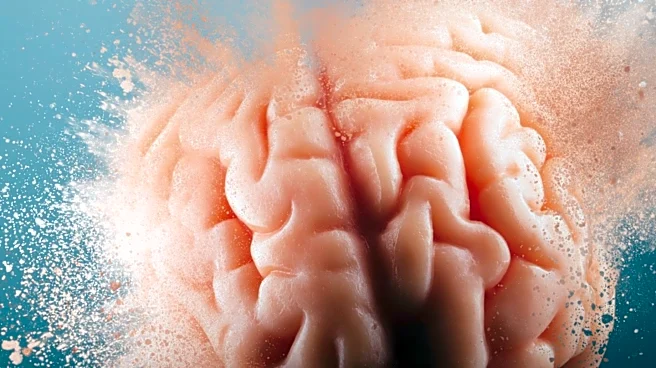
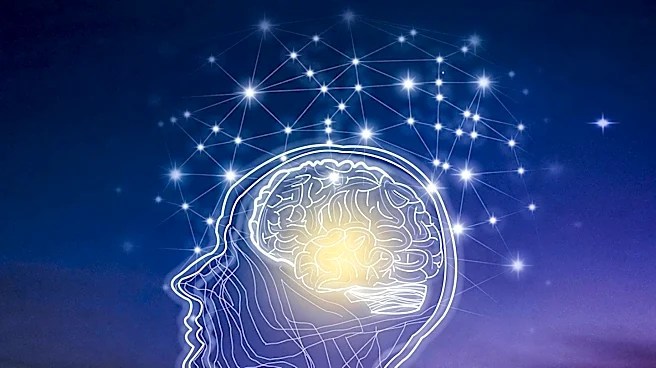
Researchers at the University of Zurich have discovered a new mechanism by which the adult brain can repair itself, challenging previous beliefs about brain regeneration. The study, led by Marina Herwerth and Matthias Wyss, found that specialized support
cells known as astrocytes can repopulate damaged brain areas by sending newly formed cell nuclei through long cellular extensions. This process was observed in mice using two-photon microscopy, which allowed the team to track gene activity and identify the astrocytes responsible for tissue restoration. The findings suggest that the adult brain has a previously unknown ability to repair itself, offering potential new avenues for treating brain injuries and diseases that involve the loss of astrocytes.
Why It's Important?
This discovery could have significant implications for medical science, particularly in the treatment of brain injuries and autoimmune diseases that affect astrocytes. By understanding and potentially harnessing this natural repair mechanism, researchers may develop new therapies to promote brain recovery and improve outcomes for patients with neurological conditions. The ability to activate these regenerative processes could lead to more effective treatments and a better understanding of brain plasticity, ultimately benefiting millions of people affected by brain disorders.
What's Next?
Future research will likely focus on identifying the specific genes and signaling pathways involved in this repair process, with the aim of developing targeted therapies that can enhance brain regeneration. Scientists may also explore how these findings can be translated from mice to humans, potentially leading to clinical trials and new treatment protocols for brain injuries and diseases. The study opens up new research avenues in neuroscience, with the potential to revolutionize how brain damage is treated.