



What's Happening?
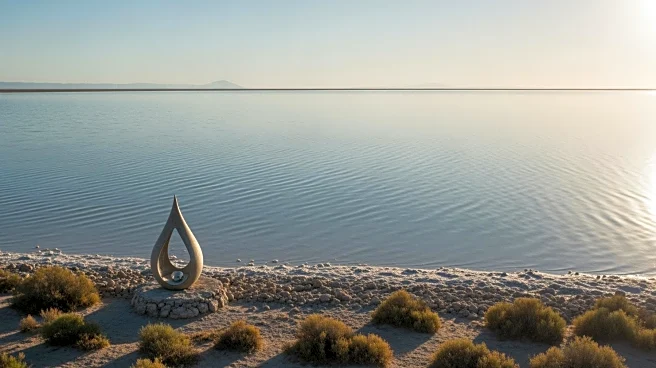
Utah is embarking on a significant environmental project aimed at refilling the Great Salt Lake by the year 2034. This initiative has garnered backing from various environmental groups, the Romney family, and President Trump. The Great Salt Lake has been
experiencing a decline for several decades, which has resulted in ecological degradation and potential health risks for nearby communities. The project involves extensive water conservation efforts and requires substantial financial investment, with costs projected to reach up to $500 million. The plan is part of a broader strategy to address the environmental challenges posed by the shrinking lake, which is crucial for maintaining the region's ecological balance.
Why It's Important?
The Great Salt Lake is a vital ecological and economic resource for Utah and the surrounding areas. Its decline poses significant risks, including the loss of habitat for migratory birds and other wildlife, as well as increased dust pollution that can affect air quality and public health. The successful execution of this project could serve as a model for other regions facing similar environmental challenges. Additionally, the involvement of high-profile supporters like the Romney family and President Trump highlights the project's importance and could help secure the necessary funding and political backing. The initiative also underscores the growing recognition of the need for sustainable water management practices in the face of climate change and population growth.
What's Next?
The next steps for the project include securing the required funding and implementing water conservation measures. Stakeholders will need to collaborate closely to ensure the project's success, which may involve negotiating water rights and developing new infrastructure. The involvement of political leaders and environmental groups will be crucial in maintaining momentum and addressing any challenges that arise. As the project progresses, it will be important to monitor its impact on the local ecosystem and communities to ensure that the intended benefits are realized.