







What's Happening?
The City of Phoenix is initiating a new rideshare pilot program, PHX Link, offering on-demand services in specific areas of south, west, and north Phoenix for a $2 fare. This program aims to address existing transit gaps, particularly in South Phoenix,
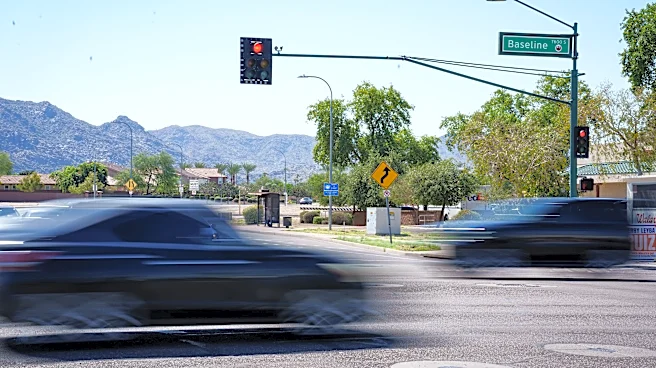
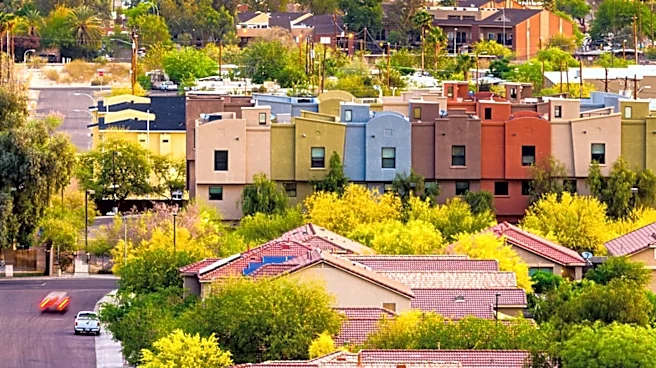
where residents often face difficulties reaching bus stops or community facilities like restaurants, libraries, and schools. The south Phoenix zone covers Broadway Road to Dobbins Road, connecting to South Mountain trails and extending from Central Avenue to 59th Avenue. In north Phoenix, the service area spans from Union Hills Drive to Happy Valley Road and from 51st Avenue to 16th Street east. West Phoenix riders can access rides from McDowell Road up to Camelback Road and from 107th Avenue to 75th Avenue. Users can request rides via the PHX Link app or by phone, utilizing virtual stops for pickups. The three-year pilot is primarily funded by grants and Phoenix Transportation 2050 funds. Informational pop-up meetings are scheduled for October 20-22.
Why It's Important?
This initiative is significant for Phoenix as it directly targets transportation inequities and aims to improve accessibility for residents in underserved areas. By offering an affordable, on-demand rideshare option, the city is working to enhance mobility for individuals who may not own cars or live far from traditional public transit routes. The program is expected to particularly benefit existing public transit users by minimizing the distance they need to walk to reach their homes after using the bus system. This could lead to increased public transit ridership and reduced reliance on private vehicles, contributing to broader city goals of sustainable transportation. The $2 fare makes the service highly accessible, potentially alleviating financial burdens associated with transportation for low-income residents and improving their access to essential services and employment opportunities.
What's Next?
The PHX Link pilot program is set to run for three years, during which the City of Phoenix will likely monitor its effectiveness, ridership numbers, and impact on transit gaps. The city plans to host informational pop-up meetings from October 20-22 to educate residents about the new service and how to use it. Feedback from these initial phases and ongoing operations will be crucial for evaluating the program's success and determining its future beyond the pilot period. Depending on the outcomes, the city may consider expanding the service to other areas, adjusting its operational model, or seeking additional funding to sustain or grow the program. The success of PHX Link could also serve as a model for other U.S. cities looking to implement similar city-run rideshare solutions to complement existing public transportation networks.
Beyond the Headlines
The launch of PHX Link represents a growing trend among municipalities to directly address transportation challenges through innovative, publicly-backed solutions, rather than solely relying on private rideshare companies. This approach highlights a shift towards integrating on-demand services into public transit infrastructure, potentially creating a more equitable and efficient urban mobility landscape. The program also touches upon broader discussions about the role of government in providing essential services and bridging socio-economic divides through accessible transportation. If successful, PHX Link could influence urban planning and transportation policy nationwide, encouraging other cities to explore similar models that prioritize community needs and accessibility over purely market-driven solutions. It also raises questions about the long-term sustainability of such programs and the balance between public funding and user fees.