







What's Happening?
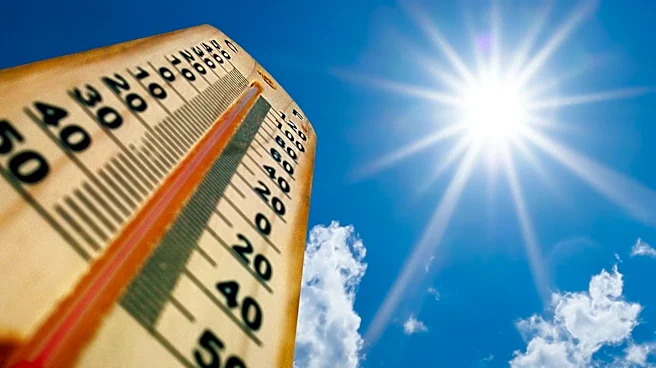
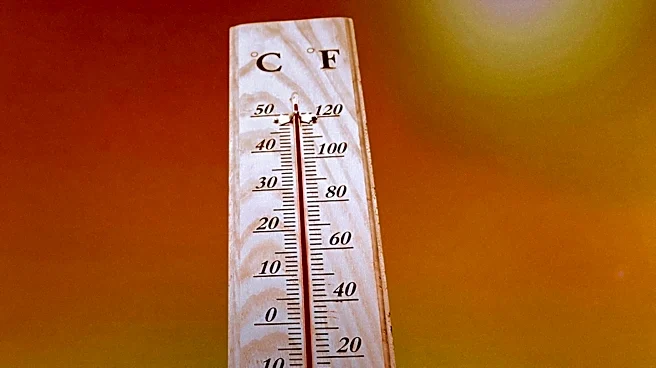
A dangerous heatwave is moving from the north-central U.S. to the Northeast, affecting over 125 million Americans under various heat alerts. The National Weather Service has warned that this heat is exceptionally rare for mid-July, with temperatures expected
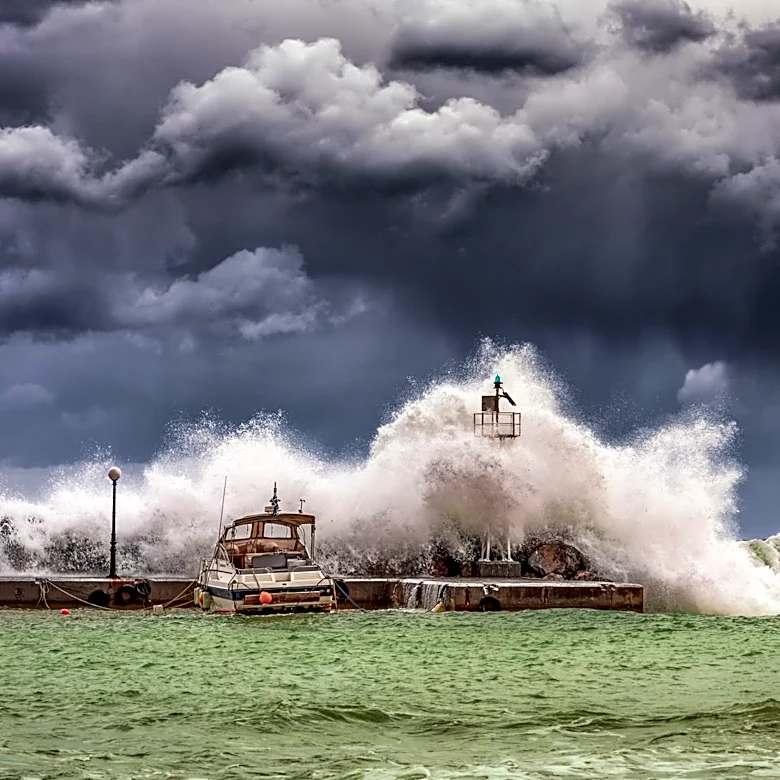
to break daily and potentially monthly records. The heatwave is forecasted to expand into the Mid-Atlantic, impacting major cities from Richmond to Boston. In addition to the heat, southwest Texas faces a significant flooding threat, with some areas expecting over 10 inches of rain. The combination of high temperatures and humidity is creating dangerous conditions, with heat index values reaching triple digits.
Why It's Important?
The heatwave poses significant health risks, particularly for those without access to adequate cooling or hydration. It highlights the increasing frequency and intensity of extreme weather events linked to climate change. The widespread heat alerts emphasize the need for public awareness and preparedness to prevent heat-related illnesses and fatalities. Economically, the heatwave could strain energy resources as demand for air conditioning rises, potentially leading to power outages. The situation also underscores the importance of infrastructure resilience in the face of climate-induced weather extremes.
What's Next?
As the heatwave progresses, authorities are likely to continue issuing advisories and opening cooling centers to assist those in need. The National Weather Service advises staying hydrated, taking breaks, and limiting outdoor activities. In the longer term, this event may prompt further discussions on climate adaptation strategies and the need for sustainable urban planning to mitigate the effects of extreme heat. The potential for flash flooding in Texas adds another layer of urgency for emergency preparedness and response efforts.