
What's Happening?
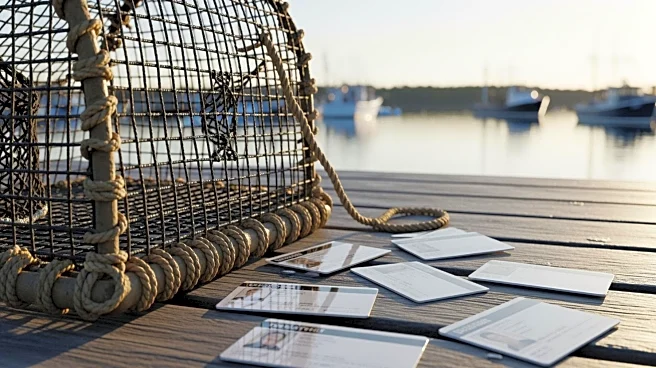
A significant theft involving $400,000 worth of lobsters occurred while the seafood was being transported from Massachusetts to Costco stores in Illinois and Minnesota. The thieves employed a sophisticated
method by using fake IDs to impersonate legitimate truckers, thereby deceiving the logistics company responsible for the shipment. This incident is part of a growing trend where criminals use spoofed emails and burner phones to hijack high-value freight during transit. The president of Rexing Companies, the freight company involved, highlighted the impact of such thefts on the supply chain, noting that they lead to increased costs that ultimately affect consumers. The FBI is currently investigating the crime, and there is a call for federal agencies to develop modern enforcement tools to combat these organized criminal networks.
Why It's Important?
This theft underscores a broader issue within the logistics and supply chain industry, where sophisticated criminal tactics are increasingly being used to target high-value shipments. The financial impact on companies like Rexing is substantial, forcing them to make difficult decisions and potentially increasing costs across the supply chain. These costs are often passed on to consumers, affecting prices in retail environments such as Costco. The incident highlights the need for enhanced security measures and federal intervention to protect businesses and consumers from organized crime. The ongoing investigation by the FBI may lead to new strategies or regulations aimed at preventing similar thefts in the future.
What's Next?
The investigation by the FBI is expected to continue, with potential outcomes including the identification and prosecution of those involved in the theft. There may also be increased pressure on federal agencies to develop and implement more effective enforcement tools to combat such crimes. Businesses in the logistics sector might consider adopting more stringent verification processes and security measures to protect against similar incidents. Additionally, there could be discussions within the industry about collaborative efforts to share information and strategies to prevent freight theft.