





What's Happening?
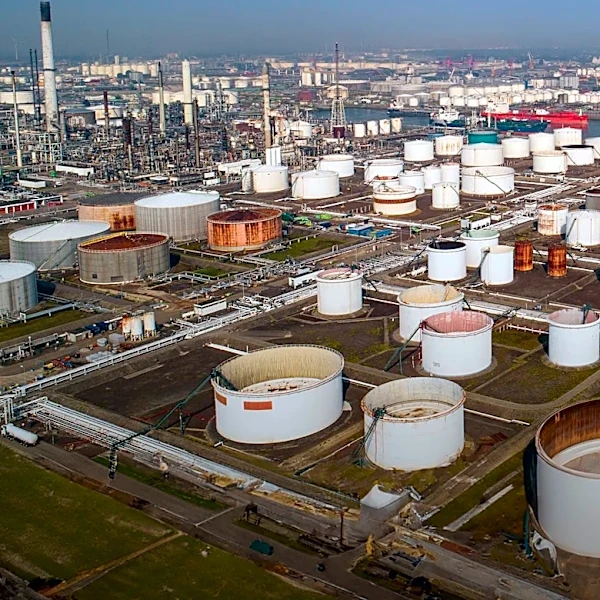
The U.S. Department of Energy (DOE) is releasing an additional 40 million barrels of crude oil from the Strategic Petroleum Reserve (SPR). This action is part of an exchange program and represents the final portion of the 172 million barrels the United
States committed to a coordinated emergency release organized by the International Energy Agency. The release comes as gasoline prices remain above $4 per gallon and diesel prices have climbed above $6 per gallon, nearly seven months into the Iran war. The SPR's inventory stood at 286.6 million barrels at the end of August, following a previous drawdown of 3.1 million barrels. This latest release is expected to bring the reserve to its lowest level since 1982. Companies participating in the exchange are required to return larger volumes of oil to the reserve at a later date, with bids for the current offering due by October 6. Energy Secretary Chris Wright has also urged European countries to fulfill their own emergency stock commitments, noting that several IEA members have released only a fraction of their pledged amounts.
Why It's Important?
This decision to tap the Strategic Petroleum Reserve highlights the U.S. government's efforts to mitigate the impact of elevated fuel prices on consumers and the economy, particularly in the context of ongoing geopolitical instability. The sustained high prices for gasoline and diesel, exacerbated by the Iran war and tight middle-distillate supplies, pose significant challenges for American households and businesses. Diesel, in particular, is crucial for transportation, agriculture, and industrial sectors, meaning its high cost can lead to increased prices for goods and services across the board, contributing to inflationary pressures. The depletion of the SPR to its lowest level in decades raises concerns about the nation's energy security and its ability to respond to future supply shocks. While the exchange program aims to replenish the reserve eventually, the immediate reduction in strategic reserves could limit the U.S.'s flexibility in a prolonged crisis. The call for European countries to meet their commitments also underscores the global nature of energy markets and the need for international cooperation in managing supply and demand.
What's Next?
Bids for the 40 million barrels from the Strategic Petroleum Reserve are due by October 6, after which the crude will be released into the market. This influx of oil is intended to provide some relief to current fuel prices, though its long-term impact will depend on the duration of the Iran war and global supply dynamics. The DOE expects the exchange program to eventually return approximately 200 million barrels to the reserve, but the timeline for this replenishment remains uncertain. The U.S. will likely continue to monitor global oil markets closely, especially given the ongoing conflict in Iran and its potential to further disrupt supply chains. The pressure on European allies to fulfill their emergency stock obligations suggests a continued push for coordinated international efforts to stabilize energy markets. Future decisions regarding the SPR will likely balance immediate economic relief with long-term energy security considerations, particularly as the reserve approaches historical lows.
Beyond the Headlines
The repeated tapping of the Strategic Petroleum Reserve reflects a broader challenge in balancing immediate economic needs with long-term strategic preparedness. The SPR was established to provide a buffer against severe oil supply disruptions, and its significant drawdown underscores the severity of current energy market pressures. This situation could prompt a re-evaluation of the optimal size and management strategy for the SPR, considering both economic stability and national security. Furthermore, the reliance on strategic reserves highlights the vulnerability of the U.S. economy to global geopolitical events and disruptions in oil-producing regions. It also brings into focus the ongoing debate about energy independence versus global energy interdependence. The current scenario may accelerate discussions and investments in alternative energy sources and energy efficiency measures to reduce reliance on volatile fossil fuel markets, thereby enhancing the nation's resilience against future energy crises.