



What's Happening?
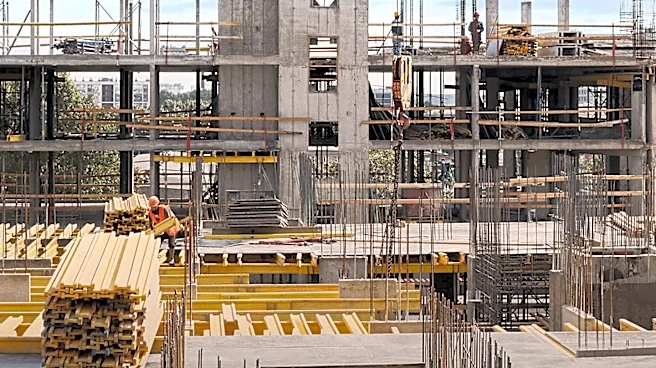
Construction is set to begin soon on the long-vacant LeClaire Courts site on Chicago's Southwest Side, with a groundbreaking anticipated for October. This initial phase will involve the development of a heavily subsidized complex featuring two six-story
buildings with 183 units, primarily for low- and moderate-income renters. Approximately half of these units will be allocated to renters participating in the Chicago Housing Authority's (CHA) voucher program, with most of the remaining units priced as affordable under a city ordinance. Eighteen units will be market-rate. The 32-acre site, which once housed the LeClaire Courts housing project, has been vacant since its demolition in 2011. Developers Cabrera Capital Partners and Habitat are leading the $119 million first phase, which was delayed from its original 2024 target due to the pandemic, inflation, and rising interest rates. The project has secured significant funding, including over $30 million in low-income housing tax credits, a $27 million loan from the CHA, and loans from city and state sources, along with a $5.5 million city subsidy from tax increment financing.
Why It's Important?
This development is crucial for addressing the critical need for affordable housing in Chicago and revitalizing a significant, long-vacant urban space. The LeClaire Courts site has been an eyesore and a symbol of unfulfilled promises for over a decade, and its redevelopment signifies a tangible step towards community improvement and economic opportunity for residents. By providing a substantial number of affordable units, the project aims to alleviate housing insecurity for low- and moderate-income families, contributing to social equity and stability in the area. The involvement of multiple government agencies and the complex financing structure highlight the challenges and collaborative efforts required to undertake large-scale affordable housing initiatives. Furthermore, the project's potential to spur further development, including desired amenities like grocery stores and medical services, could transform the surrounding Garfield Ridge neighborhood, enhancing its livability and economic vitality. This initiative also demonstrates the city's commitment to utilizing public-private partnerships to tackle urban development challenges.
What's Next?
The groundbreaking for the first phase of the LeClaire Courts redevelopment is scheduled for October, with the two initial buildings expected to be completed by 2028. These buildings will include Chicago Commons, providing early childhood education services. While the first phase is underway, developers will continue to work on securing commitments for additional amenities, such as a grocery store and medical services, which neighbors have requested. Future phases of the project are planned to include approximately 700 homes in total, with a mix of mid-rise and townhome construction. City officials are also moving forward with the sale of a nearby vacant property across Cicero Avenue, where buyers plan to develop a shopping plaza, further contributing to the area's revitalization. The success of this initial phase will likely influence the pace and scope of subsequent developments on the site, as well as potentially serving as a model for other large-scale urban renewal projects in Chicago.
Beyond the Headlines
The LeClaire Courts redevelopment project carries deeper implications beyond simply providing housing. It represents a significant effort to rectify historical urban planning failures and address the legacy of public housing projects. The demolition of LeClaire Courts in 2011 left a void, both physically and socially, and this new development aims to create a more integrated and sustainable community. The emphasis on mixed-income housing, with a blend of subsidized and market-rate units, reflects a contemporary approach to urban development that seeks to avoid the pitfalls of concentrated poverty. The project also highlights the complex interplay between public policy, private investment, and community engagement in shaping urban landscapes. The inclusion of community services like early childhood education and the ongoing efforts to attract essential amenities underscore a holistic vision for neighborhood revitalization, aiming to build not just structures, but a thriving, inclusive community. The artwork planned for the buildings, featuring figures like Martin Luther King Jr. and Dolores Huerta, also speaks to the project's aspiration to embed cultural and historical significance within the new urban fabric.