



What's Happening?
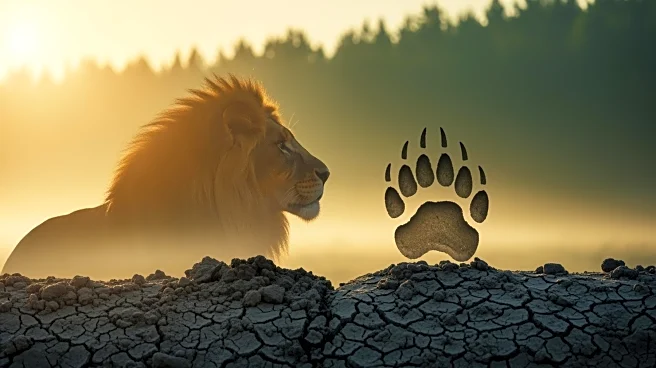
A lion named Erion and a bear named Flora, previously kept illegally as pets in northern Albania, have been relocated to wildlife sanctuaries in Germany. The rescue operation was conducted by the international animal welfare organization FOUR PAWS after
the animals were discovered by Albania's National Forestry Agency. The lion and bear were found in poor health, with Erion suffering from hair loss and Flora being malnourished. The animals were transported to Germany after a 70-hour journey across several European countries. This rescue highlights the ongoing issue of illegal wildlife trade in Albania, where exotic animals are often kept in inadequate conditions.
Why It's Important?
The rescue of Erion and Flora underscores the persistent problem of illegal wildlife trade in Albania and the broader region. This issue poses significant ethical and ecological challenges, as it often involves the mistreatment of animals and the disruption of natural ecosystems. The relocation of these animals to Germany not only provides them with a chance for a better life but also draws attention to the need for stronger enforcement of wildlife protection laws in Albania. The case highlights the importance of international cooperation in addressing wildlife trafficking and ensuring the welfare of animals.
What's Next?
The successful relocation of Erion and Flora may prompt further actions by Albanian authorities and international organizations to combat illegal wildlife trade. There is a need for stricter legislation and enforcement to prevent similar cases in the future. Organizations like FOUR PAWS may continue to advocate for policy changes and increased awareness about the issue. Additionally, the health and recovery of Erion and Flora will be monitored in their new sanctuaries, providing insights into the rehabilitation process for animals rescued from illegal captivity.
Beyond the Headlines
The case of Erion and Flora highlights broader ethical concerns regarding the treatment of wildlife and the responsibilities of humans towards animals. It raises questions about the cultural and economic factors that drive the illegal wildlife trade and the role of social media in exposing such practices. The story also emphasizes the importance of wildlife sanctuaries and the role they play in providing refuge and rehabilitation for animals rescued from illegal trade.