





What's Happening?
The American Kennel Club (AKC) offers a comprehensive guide to help prospective dog owners identify reputable breeders, a resource highlighted in discussions surrounding the prevalence and dangers of puppy mills. Puppy mills are characterized by their
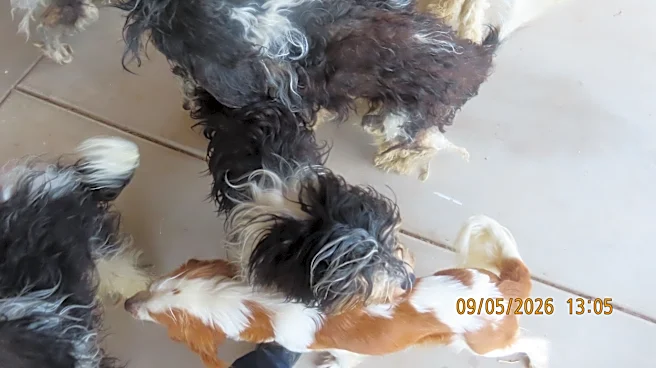
focus on profit over animal welfare, often leading to neglect, inhumane breeding practices, and significant health issues in dogs. These establishments frequently force dogs to breed at an early age, deny them social contact, and may dispose of them once their breeding capacity diminishes. Dogs from puppy mills often suffer from physical ailments like antibiotic-resistant infections, distemper, and internal parasites due to poor hygiene, as well as genetic problems from inbreeding. The AKC's guide aims to equip individuals with the knowledge to distinguish ethical breeders from puppy mills, emphasizing the importance of research before purchasing a dog. Key indicators of a reputable breeder include a waiting list, proper accreditation, a willingness to show their facility, and comprehensive medical histories for their dogs.
Why It's Important?
The distinction between reputable breeders and puppy mills is crucial for animal welfare and public health. Puppy mills contribute to widespread animal suffering, producing dogs with severe health and behavioral problems that can lead to significant emotional and financial burdens for unsuspecting owners. By providing a guide, the AKC helps consumers make informed decisions, thereby reducing demand for dogs from unethical sources and indirectly combating the puppy mill industry. This initiative supports responsible pet ownership and promotes the health and well-being of dogs. The guide also educates the public on the long-term consequences of poor breeding practices, which can result in dogs with weakened immune systems, susceptibility to diseases like cancer, and persistent behavioral issues such as fear and anxiety. Empowering consumers to choose ethical breeders or consider adoption directly impacts the reduction of animal cruelty and the improvement of canine health standards.
What's Next?
Continued public education and awareness campaigns are essential to further diminish the impact of puppy mills. Organizations like the AKC will likely continue to promote responsible breeding practices and provide resources for identifying ethical sources for pets. Consumers are encouraged to prioritize adoption from shelters or rescue organizations as a direct action against puppy mills. For those set on purchasing from a breeder, utilizing resources like the AKC's guide will remain critical. Lawmakers may also face ongoing pressure to enact stricter regulations on animal welfare and cruelty, potentially leading to more stringent oversight of breeding operations. The ongoing effort to educate potential dog owners about the signs of a proper breeder versus a puppy mill will be vital in shifting consumer behavior and ultimately reducing the profitability of inhumane breeding operations.
Beyond the Headlines
The issue of puppy mills extends beyond individual animal cruelty cases, touching upon broader ethical and societal implications. The demand for specific breeds, often fueled by aesthetic preferences, inadvertently supports these exploitative operations. The AKC's role in guiding consumers highlights the tension between maintaining breed standards and ensuring animal welfare. The long-term health consequences for dogs from puppy mills often strain veterinary resources and can lead to emotional distress for families. This situation underscores the need for a cultural shift towards valuing animal welfare over superficial breed characteristics. Furthermore, the genetic issues prevalent in puppy mill dogs raise questions about the ethics of breeding practices that prioritize appearance over health, potentially contributing to a cycle of inherited diseases. Addressing this problem requires a multi-faceted approach involving consumer education, legislative action, and a reevaluation of societal attitudes towards pet acquisition.