





What's Happening?
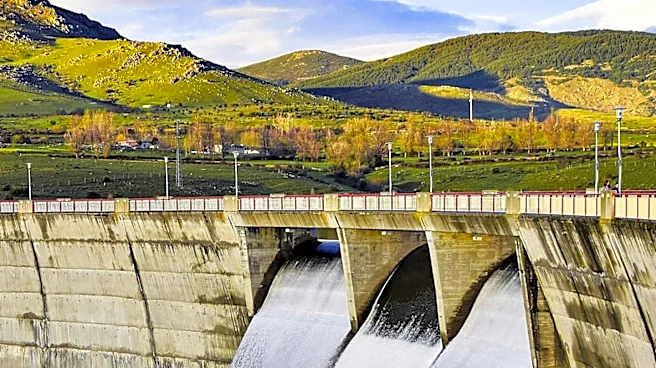
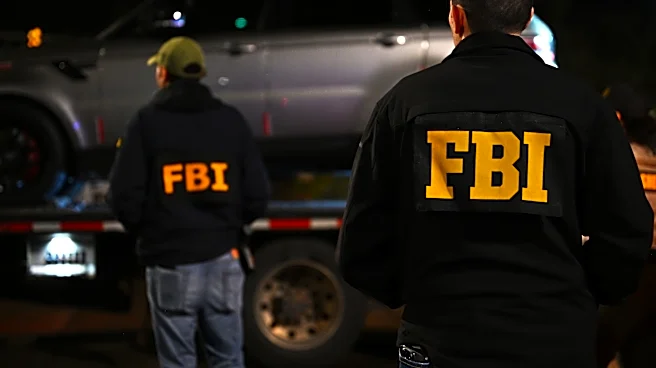
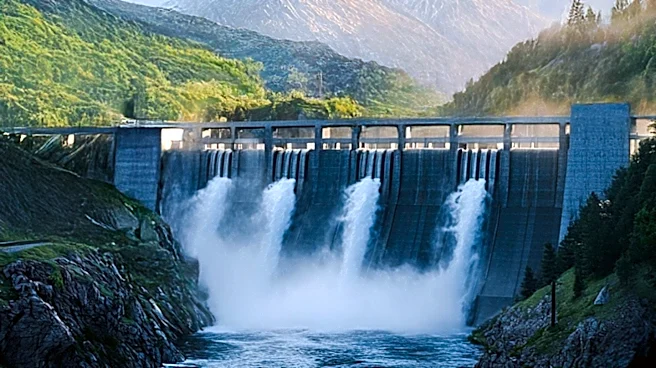
A series of cyberattacks have targeted water and wastewater systems in at least seven U.S. states, prompting federal authorities to issue warnings and investigate the incidents. The FBI and EPA have reported that malicious actors have disrupted operations
by altering settings on industrial equipment, leading to operational disruptions and potential vulnerabilities in public services. States like Minnesota, Michigan, South Dakota, and California have reported incidents, with Minnesota experiencing over 30 attacks. The attacks have raised concerns about the security of critical infrastructure and the potential involvement of foreign actors.
Why It's Important?
These cyberattacks highlight the vulnerabilities in the nation's critical infrastructure, particularly in water and wastewater systems. The incidents underscore the need for enhanced cybersecurity measures to protect public utilities from malicious threats. The potential for widespread disruption of essential services poses significant risks to public health and safety. Additionally, the attacks could lead to increased regulatory scrutiny and investment in cybersecurity across the utility sector. Understanding and mitigating these threats is crucial for maintaining the integrity and reliability of essential services.
What's Next?
Federal and state authorities are actively investigating the source of the attacks and working to strengthen cybersecurity defenses. Utilities are being urged to remove exposed control systems from the internet and implement robust security protocols. The ongoing investigation may reveal more affected states and potentially identify the actors behind the attacks. As the situation develops, there may be calls for increased funding and resources to bolster the cybersecurity of critical infrastructure nationwide.