


What's Happening?
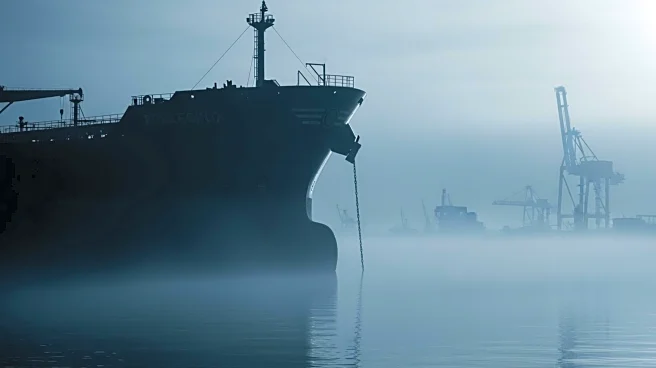
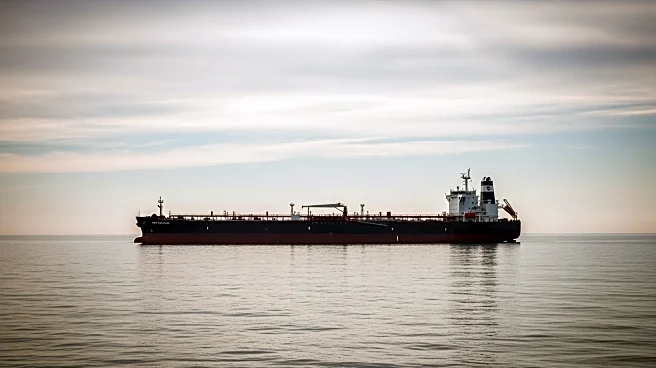
Greenpeace activists in France were arrested after blocking the arrival of a cargo ship in Dunkirk, which they claimed was carrying uranium from Russia. The protest was part of Greenpeace's ongoing campaign against France's uranium imports and its ties
with the Russian company Rosatom. The activists used kayaks and chained themselves to a lock gate to prevent the ship's entry. The protest coincides with the upcoming World Nuclear Summit in Paris and aims to pressure France to end its uranium trade with Russia, which Greenpeace argues indirectly supports Russia's military actions in Ukraine.
Why It's Important?
This protest highlights the contentious issue of nuclear energy and its geopolitical implications. France's reliance on Russian uranium for its nuclear power plants raises questions about energy security and ethical sourcing, especially in light of Russia's actions in Ukraine. The protest underscores the role of civil society in advocating for transparency and accountability in international trade. It also reflects broader environmental and political concerns about nuclear energy and its impact on global security. The incident may influence public opinion and policy discussions on nuclear energy and international trade relations.
What's Next?
As the World Nuclear Summit approaches, there may be increased scrutiny on France's nuclear policies and its relationship with Rosatom. Greenpeace is likely to continue its advocacy efforts, potentially leading to further protests or legal actions. The French government may face pressure to reconsider its uranium imports and explore alternative sources or technologies. The situation could also prompt broader discussions within the European Union about energy independence and the role of nuclear power in achieving climate goals. The outcome of these discussions could have significant implications for the future of nuclear energy in Europe.