






What's Happening?
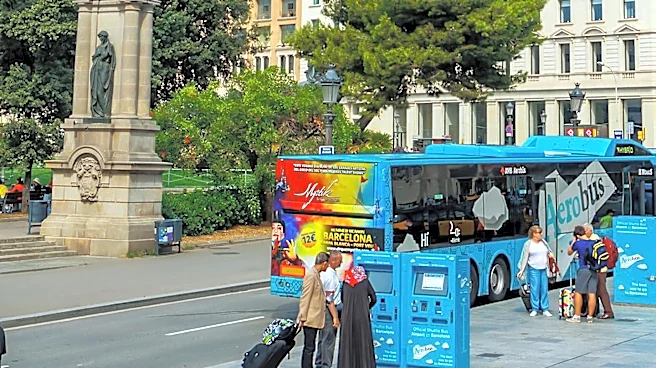
Spain is experiencing a significant tourism surge, with projections indicating a record-breaking year of approximately 100 million international visitors in 2026. This influx, driven by post-pandemic travel and the country's enduring appeal, is straining
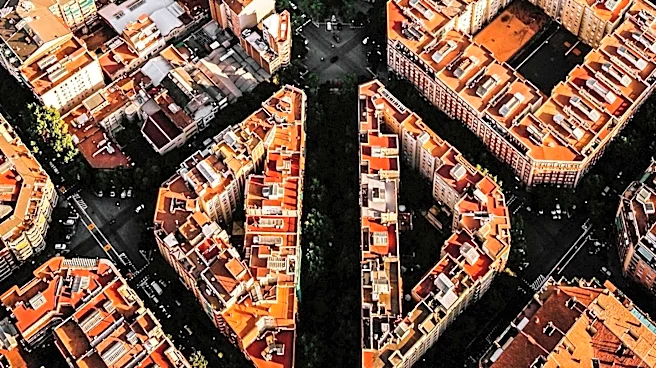
its tourism infrastructure. As a result, visitors are encountering higher costs and extended wait times at popular landmarks such as the Sagrada Família in Barcelona and the Alhambra Palace in Granada. Tickets for these sites often sell out weeks or months in advance, leading to frustration among tourists and the emergence of a secondary market for tickets at inflated prices.
Why It's Important?
The tourism surge in Spain has several implications. For travelers, it means a need for meticulous planning, including booking attractions well in advance and potentially adjusting travel times to shoulder or off-seasons to avoid crowds and higher prices. For Spain's tourism industry, while the high visitor numbers boost the economy, the challenges of overtourism are prompting cities like Barcelona to implement measures to manage visitor flow and preserve historical sites. There's also a strategic shift towards 'quality tourism,' aiming to encourage higher spending per visitor through renovated facilities and services, which contributes to the increased costs.
What's Next?
Travelers planning trips to Spain should anticipate continued high demand and costs for major attractions. It is advisable to book tickets directly through official websites as soon as travel dates are confirmed to avoid unofficial resellers and inflated prices. Exploring less crowded, alternative destinations within Spain, such as Girona instead of Barcelona's Gothic Quarter or the Alcázar of Segovia instead of Madrid's Royal Palace, is recommended for a more enjoyable experience. The Spanish tourism sector will likely continue to balance economic benefits with infrastructure strain and visitor experience management.
Beyond the Headlines
The situation in Spain reflects a broader global challenge of managing overtourism in popular destinations. While tourism is vital for local economies, unchecked growth can degrade historical sites, strain local resources, and diminish the quality of life for residents. The shift towards 'quality tourism' and visitor caps at attractions represent efforts to mitigate these negative impacts, but they also raise questions about accessibility and who ultimately benefits from these policies. The phenomenon highlights the evolving relationship between global travel, local communities, and the preservation of cultural heritage in an increasingly interconnected world.