



What's Happening?
A recent study conducted by Manhattan Mental Health Counseling researchers analyzed three years of summer crash data from the National Highway Traffic Safety Administration (NHTSA) to identify U.S. states with the highest proportion of drunk driving incidents
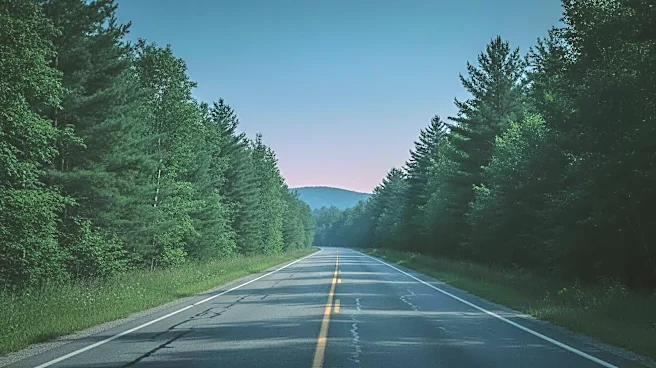
during the summer months. The study revealed that Vermont had the highest share of summer crashes linked to impaired drivers, with 43.55% of its total 62 summer crashes involving a driver with a Blood Alcohol Content (BAC) of .08 or higher. Texas followed in second place, with 40.82% of its 2,947 summer crashes attributed to impaired driving. Washington state ranked tenth nationally, with 35.33% of its 600 summer crashes involving a drunk driver. The peak fatal crash hours for impaired drivers in Washington were identified between 11 p.m. and 11:59 p.m., while in Oregon, which ranked eighth, the peak was between 7 p.m. and 7:59 p.m.
Why It's Important?
The findings underscore a significant public safety concern across the U.S., particularly during the summer when travel and social activities increase. The high percentage of drunk driving crashes in states like Vermont, Texas, and Washington indicates a persistent challenge in preventing impaired driving. This issue places a substantial burden on emergency services, healthcare systems, and communities, leading to preventable injuries, fatalities, and economic costs. The study highlights the need for continued public awareness campaigns, stricter enforcement, and accessible alternative transportation options to mitigate these risks. For individuals, the consequences of impaired driving can be life-altering, affecting not only the driver but also innocent victims and their families. The data serves as a critical reminder for policymakers and law enforcement to re-evaluate and strengthen strategies aimed at reducing drunk driving incidents during peak seasons.
What's Next?
In response to these findings, states with high rates of summer drunk driving crashes may consider implementing enhanced preventative measures. This could include increased law enforcement presence during peak hours and holiday weekends, targeted public awareness campaigns emphasizing the dangers of impaired driving, and promoting designated driver programs or rideshare services. Mental health experts, such as Steven Buchwald from Manhattan Mental Health Counseling, advocate for proactive planning, advising individuals to decide on transportation before consuming alcohol. Lawmakers might also explore legislative actions, such as reviewing penalties for impaired driving or funding initiatives for public transportation and safe ride programs. The ongoing collection and analysis of crash data will be crucial for monitoring the effectiveness of these interventions and adapting strategies to further reduce the incidence of drunk driving.
Beyond the Headlines
The prevalence of drunk driving, particularly during summer, points to deeper societal and behavioral patterns. The study's mention of summer creating "perfect conditions for risky decisions" suggests a cultural normalization of alcohol consumption in social settings without adequate consideration for safe transportation. This issue extends beyond individual choices, touching upon the availability and accessibility of alcohol, social pressures, and the perceived effectiveness of deterrents. Addressing this requires a multi-faceted approach that includes not only enforcement and education but also community-level interventions that foster a culture of responsibility. The economic impact of these crashes, including medical costs, property damage, and lost productivity, further emphasizes the need for comprehensive solutions that tackle the root causes of impaired driving and promote safer communities.