
What's Happening?
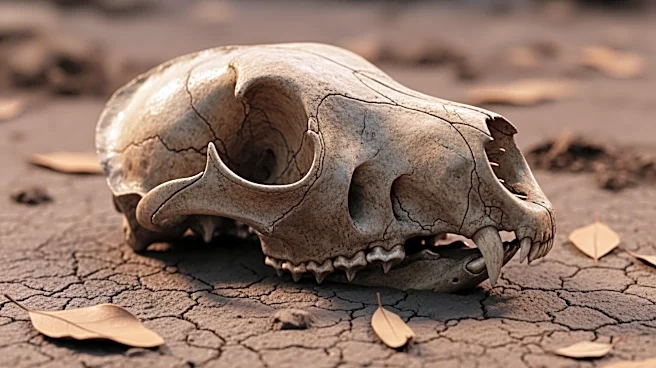
Scientists have identified a giant rodent species, Josephoartigasia monesi, that once roamed South America millions of years ago. This species, weighing approximately 500 kilograms, is the largest rodent ever
discovered. The fossil, first described in 2008, was found in Uruguay and has provided new insights into the evolution of rodents. The rodent's strong bite force, capable of breaking a human femur, suggests it had a specialized diet of tough vegetation. Despite its size and strength, it was not a predator but likely used its incisors for digging and defense. This discovery highlights the diverse adaptations of ancient mammals in prehistoric ecosystems.
Why It's Important?
The discovery of Josephoartigasia monesi is significant for understanding the evolutionary history of rodents and their ecological roles in ancient environments. It challenges previous assumptions about the size limitations of rodents and provides a glimpse into the biodiversity of prehistoric South America. The findings contribute to the broader understanding of how large herbivores adapted to their environments and the evolutionary pressures they faced. This research also underscores the importance of fossil records in reconstructing past ecosystems and understanding the evolutionary pathways of modern species.