


What's Happening?
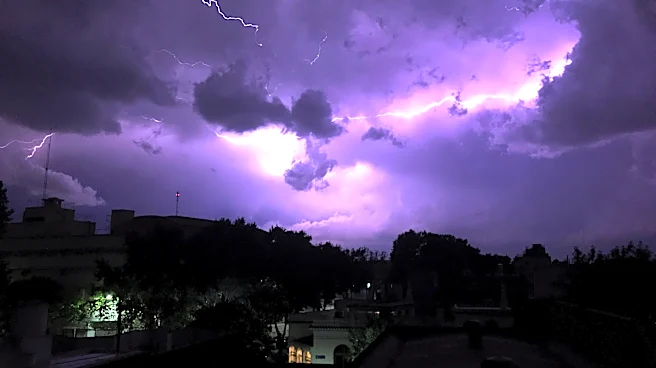
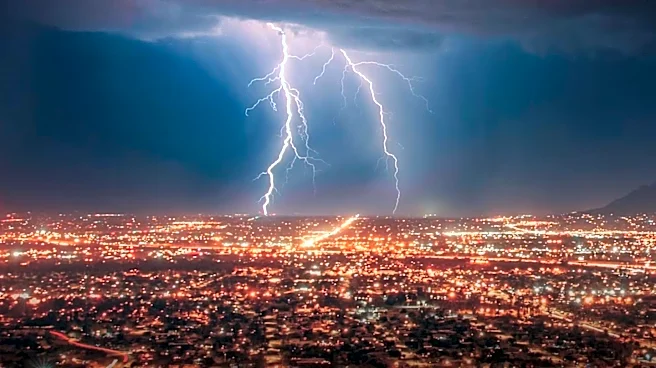
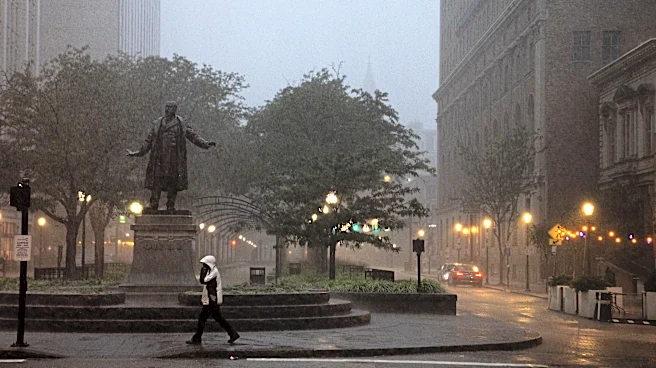
Severe thunderstorms swept through the Chicago area and northwest Indiana, causing significant disruptions on Monday. The storms, characterized by damaging winds and golf ball-sized hail, led to widespread power outages affecting nearly 320,000 customers.
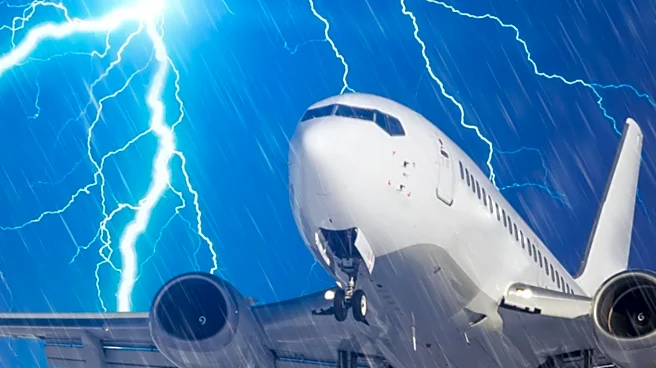
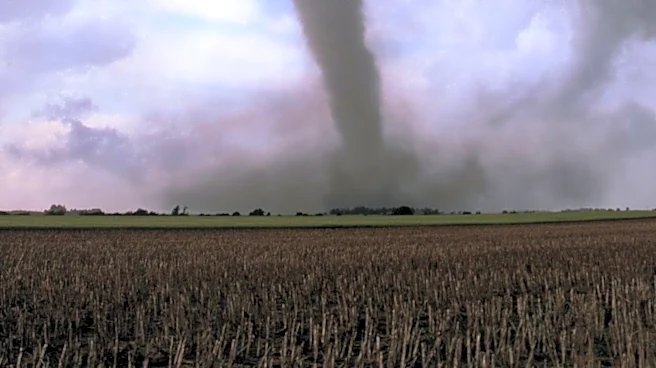
Public transportation was also impacted, with flights grounded at O'Hare and Midway airports and service on several CTA lines suspended. The National Weather Service issued multiple tornado warnings, and there were unconfirmed reports of tornadoes in several locations. The storms are part of a series of extreme weather events in the region, which has seen record-breaking tornado activity this year.
Why It's Important?
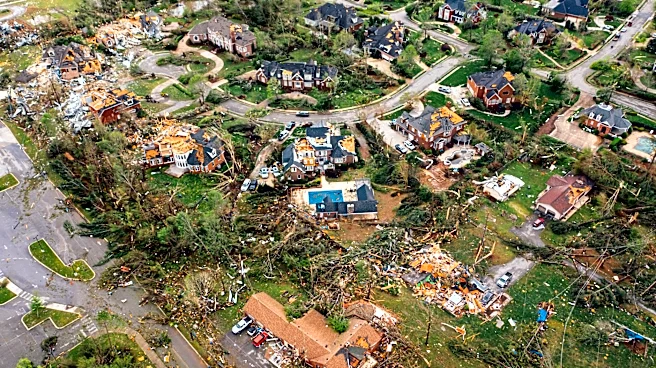
The severe weather highlights the increasing frequency and intensity of extreme weather events, which are often linked to climate change. The disruptions caused by the storms have significant economic implications, affecting transportation, infrastructure, and local businesses. The power outages and damage to property underscore the vulnerability of urban areas to such events. Additionally, the repeated occurrence of severe weather raises concerns about the preparedness and resilience of communities in the face of climate-related challenges.
What's Next?
Weather officials expect a temporary respite from the storms, with cooler and drier conditions forecasted for the coming days. However, the threat of thunderstorms may return by the weekend. Authorities will likely conduct damage assessments and surveys to confirm tornado activity and evaluate the impact on infrastructure. The ongoing pattern of severe weather may prompt discussions on improving emergency response and infrastructure resilience in the region.
Beyond the Headlines
The repeated severe weather events in the Chicago area may lead to increased public awareness and concern about climate change and its impacts. This could influence local policy decisions and encourage investment in climate adaptation and mitigation strategies. The situation also highlights the need for improved communication and coordination among emergency services to better manage such events in the future.