







What's Happening?
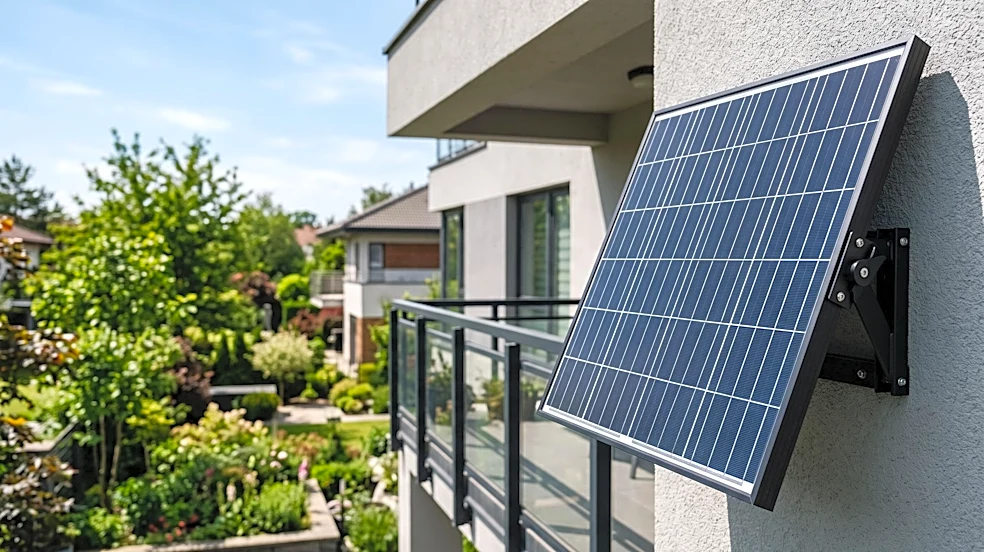
Virginia has enacted new legislation, effective in 2026, allowing tenants in certain rental properties to install small portable solar generation devices. Landlords who own more than four rental dwelling units or have a greater than 10% interest in such
units are prohibited from banning tenants from installing these devices on the exterior of their premises. However, landlords can impose reasonable restrictions on the size, placement, and manner of installation. Tenants must notify their landlord at least seven days prior to installation, providing documentation that the device meets specific requirements, including a maximum power output of 1,200 watts per dwelling unit, connection through an electrical outlet, compliance with the National Electrical Code, and certification by a nationally recognized testing laboratory. Tenants are responsible for any damages to the property resulting from the device. The law also specifies that tenants in units subject to a ratio utility billing system or those requiring alterations to the building's electrical system cannot install such devices without explicit written landlord approval.
Why It's Important?
This legislation marks a significant step towards increasing access to renewable energy for renters in Virginia, a demographic often excluded from solar energy benefits due to property ownership requirements. By allowing tenants to install small portable solar devices, the law promotes energy independence and potentially reduces electricity costs for renters, aligning with broader environmental sustainability goals. It also creates a new dynamic in landlord-tenant relationships, requiring clear communication and adherence to specific guidelines for solar device installation. For landlords, while they cannot outright prohibit these devices, they retain the ability to set reasonable restrictions, balancing tenant rights with property management concerns. This could lead to increased adoption of small-scale solar technology in residential rental markets, contributing to a more decentralized energy grid and fostering innovation in portable solar solutions.
What's Next?
Tenants in Virginia who meet the criteria will be able to install small portable solar generation devices on their rental properties, provided they follow the notification and installation guidelines. Landlords will need to develop clear policies regarding the reasonable restrictions for these devices to ensure compliance and maintain property standards. This may involve updating lease agreements to reflect the new provisions. The implementation of this law could lead to increased demand for compliant small portable solar devices in Virginia. Future developments might include further clarification on what constitutes 'reasonable restrictions' or potential disputes between landlords and tenants over device placement or damages. The success of this initiative could also influence other states to consider similar legislation, expanding solar access for renters nationwide.
Beyond the Headlines
This law reflects a growing societal push for renewable energy accessibility beyond traditional homeowners. It addresses the equity gap in solar adoption, allowing renters to participate in the clean energy transition. The emphasis on 'small portable' devices suggests a focus on consumer-friendly, plug-and-play solutions that minimize installation complexity and cost, making solar more attainable for a wider audience. Ethically, it empowers tenants with more control over their energy consumption and environmental footprint. Legally, it sets a precedent for balancing property rights with individual rights to sustainable energy. Culturally, it could normalize the presence of solar technology in diverse residential settings, fostering greater public acceptance and demand for renewable energy solutions in urban and suburban rental markets.