

What's Happening?
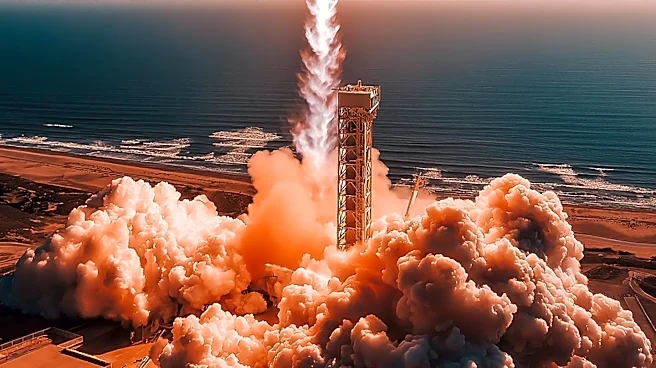
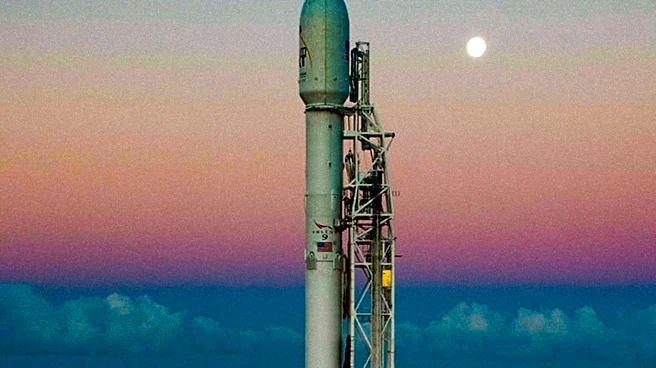
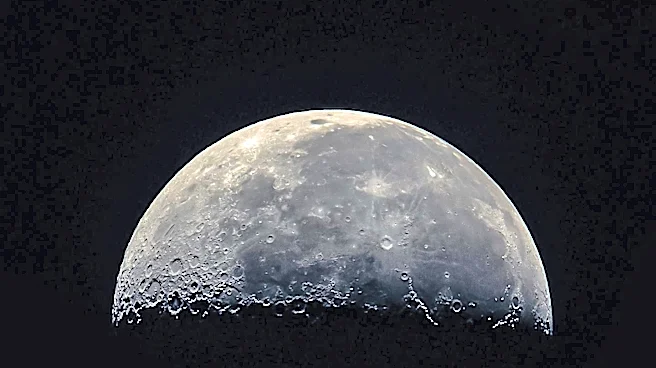
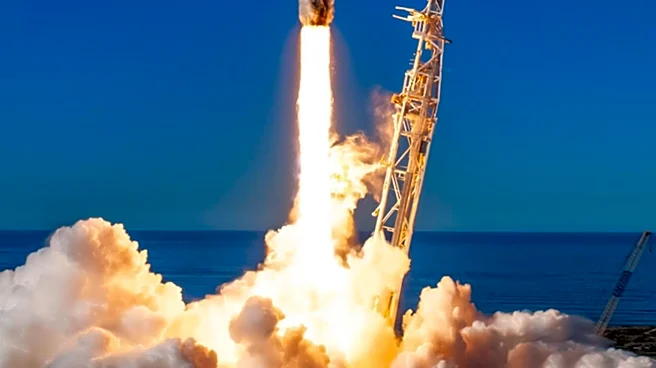
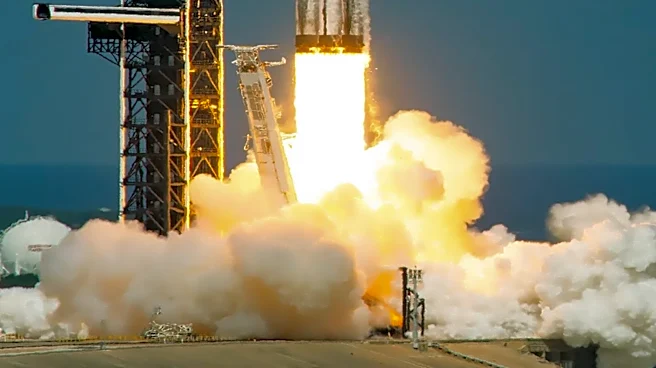
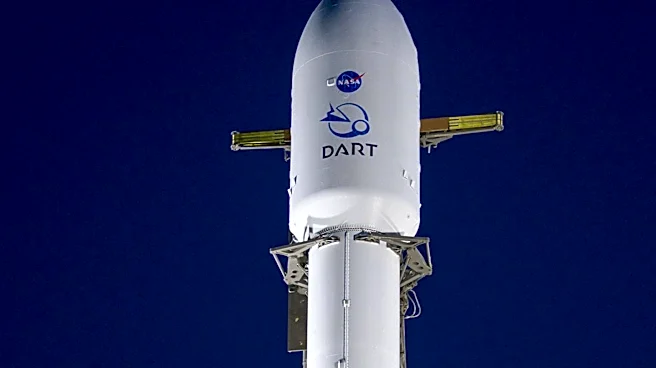
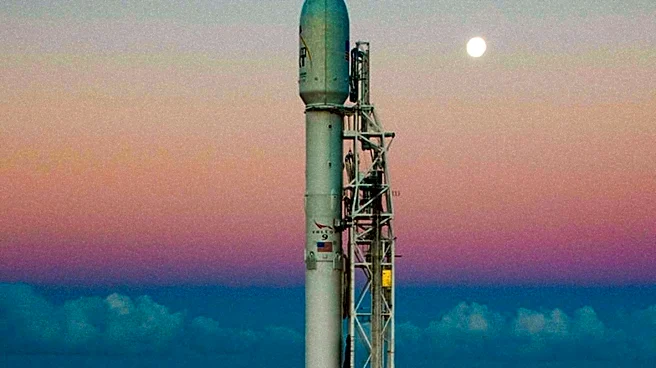
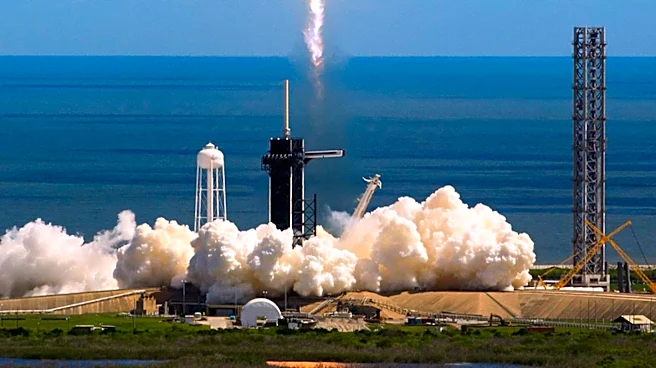
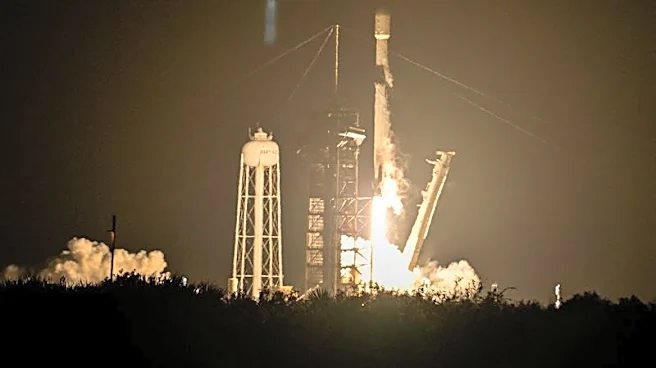
A SpaceX Falcon 9 rocket stage recently collided with the moon, adding to the long history of human-made objects impacting the lunar surface. This unintentional collision was caused by solar activity and gravitational forces. The impact provided an opportunity
for astronomers to observe the resulting debris plume, although no confirmed images of the impact were captured. The moon has been a target for both planned and unplanned impacts since the early days of space exploration, with missions from various countries contributing to our understanding of the lunar surface.
Why It's Important?
The history of lunar impacts has been instrumental in advancing our knowledge of the moon's composition and geological history. These impacts, whether planned or accidental, offer valuable data that can help scientists study the effects of collisions on the lunar surface. As space agencies and commercial entities plan future missions to the moon, understanding the implications of such impacts becomes increasingly important. The data collected from these events can inform the design of future lunar missions and contribute to the development of sustainable lunar exploration strategies.