







What's Happening?
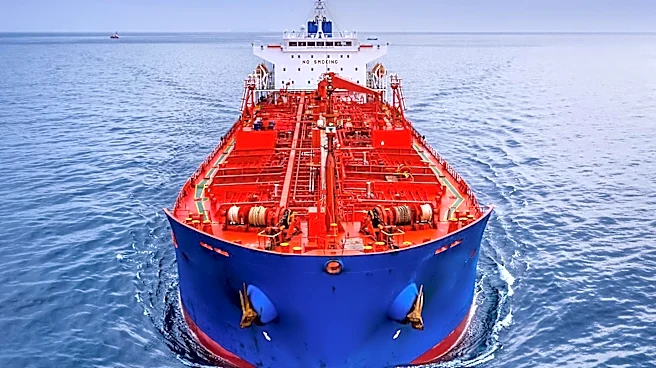
Indian refiners have significantly increased their imports of Russian oil, reaching a record 2.64 million barrels per day in June 2026. This surge accounts for nearly half of India's total oil imports, as the country seeks alternatives due to disruptions
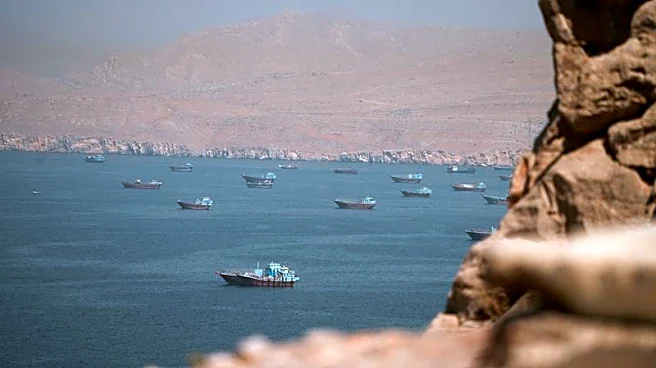
in the Strait of Hormuz. The U.S./Israeli attack on Iran has led to restricted oil flow through this critical passage, prompting India to adjust its import strategy. Despite initially reducing Russian oil imports to avoid higher U.S. duties, India resumed these imports following a temporary exemption from Washington. The share of Russian oil in India's total imports rose from 38% to almost 41% between April and June 2026, while imports from the Middle East decreased.
Why It's Important?
The shift in India's oil import strategy highlights the geopolitical tensions affecting global oil supply chains. The increased reliance on Russian oil underscores India's need to secure energy resources amid regional instability. This development could impact U.S. foreign policy and economic relations, as India navigates its energy needs while balancing international diplomatic pressures. The situation also reflects broader market dynamics, where countries are forced to adapt to supply disruptions and geopolitical conflicts, potentially affecting global oil prices and trade patterns.
What's Next?
If tensions in the Middle East persist, India may continue to diversify its oil sources, potentially increasing imports from other regions like Latin America and Africa. The ongoing conflict and potential naval blockades could further strain global oil supply chains, prompting countries to reassess their energy security strategies. Stakeholders, including governments and oil companies, will likely monitor the situation closely, adjusting their policies and operations to mitigate risks associated with geopolitical instability.