


What's Happening?
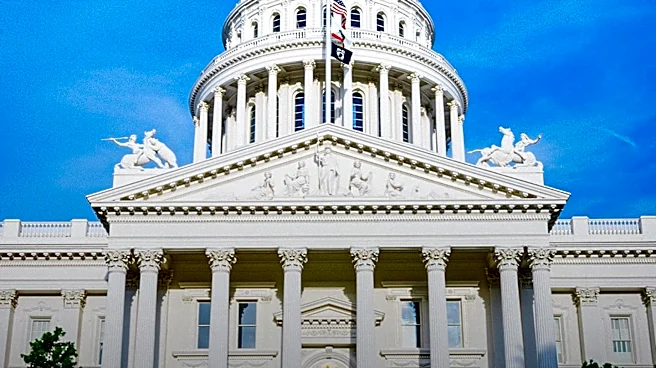
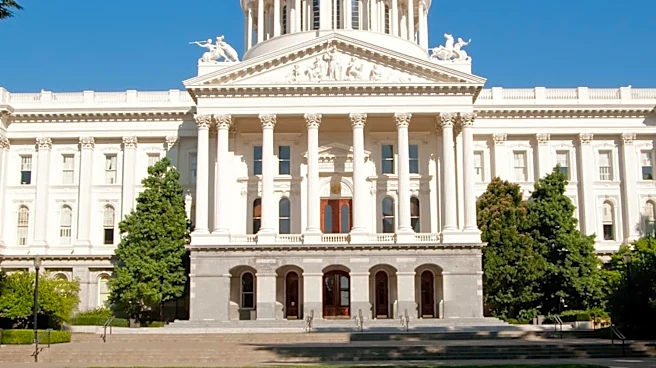
A significant wildfire bill in California, aimed at addressing the financial liabilities associated with utility-sparked blazes, failed to pass the state Legislature. The bill, which was the result of negotiations between Governor Gavin Newsom, Senate
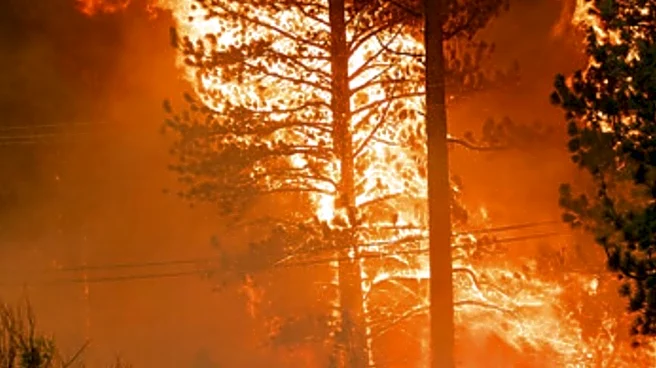
President Pro Tem Monique Limon, and Assembly Speaker Robert Rivas, was ultimately scuttled by the Assembly Democratic Caucus. Assembly Speaker Rivas, despite initially agreeing to the deal, reneged under pressure from his caucus, preventing a floor vote. The legislation sought to determine who would bear the financial burden when utility equipment ignites wildfires, considering options such as utility investors, ratepayers, or insurers. The failure of the bill leaves unresolved critical issues concerning the financial stability of utilities and the affordability of property insurance in California.
Why It's Important?
The failure of this wildfire bill has significant implications for California's economy and its residents. Without clear legislation, the financial risks associated with utility-caused wildfires remain largely unaddressed, potentially leading to further bankruptcies for utility companies like Southern California Edison, Pacific Gas & Electric, or San Diego Gas & Electric. Conversely, property insurance companies may continue to withdraw from the state or drastically increase premiums, making insurance unaffordable or unavailable for many homeowners, even in areas not traditionally considered high-risk. This legislative stalemate highlights the intense lobbying efforts from powerful special interests, including utilities, insurers, and consumer advocates, each vying to shift the financial burden. The inability to pass this critical legislation underscores the challenges of addressing complex, high-stakes issues in a politically charged environment, impacting both the state's infrastructure and the financial well-being of its citizens.
What's Next?
The immediate consequence is that the critical issue of financial liability for utility-sparked wildfires in California remains unresolved. This could lead to continued uncertainty for utility companies, potentially impacting their ability to invest in infrastructure improvements necessary to prevent future fires. Property insurers may further restrict coverage or raise premiums, exacerbating the state's ongoing insurance crisis. Governor Newsom's practice of introducing complex proposals late in the legislative session, known as 'jamming,' has been criticized and may need to be re-evaluated to ensure more thorough debate and consensus-building. The issue will likely be revisited in future legislative sessions, with continued pressure from various stakeholders to find a viable solution. The political fallout from this failure could also influence future leadership dynamics within the Assembly and the broader state government.
Beyond the Headlines
The legislative flameout reveals deeper systemic issues within California's political landscape, particularly the challenges of governance even under single-party rule. It questions the effectiveness of leadership when faced with strong caucus pressure and competing special interests. The incident also highlights the growing impact of climate change on state policy, as wildfires become more frequent and destructive, forcing difficult decisions about who bears the cost. The struggle to balance the financial health of essential utilities with consumer protection and insurance availability points to a broader societal challenge in adapting to new environmental realities. This event could also fuel public distrust in the legislative process, especially when critical issues remain unaddressed due to political maneuvering rather than substantive policy disagreements.