




What's Happening?
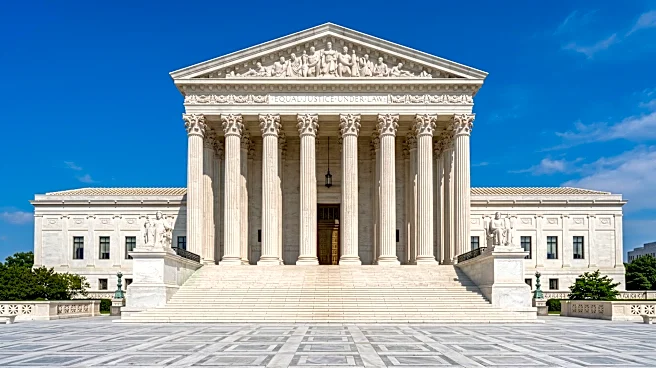
The Supreme Court is scheduled to hear oral arguments in December concerning two Arizona state laws related to voter registration and voter rolls. These laws mandate that individuals provide proof of U.S. citizenship when registering to vote and allow
for the removal of noncitizen voters from voter rolls within 90 days of an election. The case, RNC v. Mi Familia Vote, will determine if these Arizona statutes violate the National Voter Registration Act (NVRA). Election groups, including the Center for Election Confidence, Inc., Restoring Integrity and Trust in Elections, Inc., and Honest Elections Project, have filed an amicus brief arguing that a lower court's ruling against these laws could lead to an 'absurd' consequence, making it impossible to remove noncitizens, minors, or fictitious individuals from state voter rolls. They contend that citizenship is a fundamental qualification for voting and states must have the ability to verify it and act on findings of noncitizens on voter rolls before an election.
Why It's Important?
This Supreme Court case holds significant implications for the integrity of U.S. elections and the balance of power between federal and state authorities in regulating voting. If the Supreme Court upholds the Arizona laws, it could empower states to implement stricter voter identification and registration requirements, potentially influencing voter access and the composition of the electorate. Conversely, if the Court strikes down the laws, it could reinforce the NVRA's limitations on state-level voter roll maintenance, potentially making it more challenging for states to remove ineligible voters. The outcome will impact debates surrounding voter fraud, voter suppression, and the constitutional authority of states to set and enforce voter qualifications. The decision could also set a precedent for how other states manage their voter rolls and verify voter eligibility, affecting future election administration nationwide.
What's Next?
The Supreme Court will hear oral arguments in RNC v. Mi Familia Vote in December. Following these arguments, the Court will deliberate and issue a ruling, which is expected to clarify the extent to which states can require proof of citizenship for voter registration and remove noncitizens from voter rolls. The decision will likely lead to reactions from various stakeholders, including political parties, election integrity advocacy groups, and civil rights organizations. Depending on the ruling, states may either proceed with or be compelled to revise their voter registration and maintenance procedures. The outcome could also prompt legislative efforts at both federal and state levels to address any ambiguities or perceived shortcomings in existing voter laws.
Beyond the Headlines
Beyond the immediate legal implications, this case touches upon deeper societal and political tensions surrounding immigration, national identity, and the democratic process. The debate over voter ID laws often reflects differing views on who should participate in elections and the perceived threats to electoral integrity. Critics of strict voter ID laws argue they disproportionately disenfranchise eligible voters, particularly minority groups and those with limited access to required documentation. Proponents, however, emphasize the importance of ensuring that only eligible citizens cast ballots to maintain public trust in election outcomes. The Supreme Court's decision will not only shape election administration but also contribute to the ongoing national conversation about the balance between voter access and election security, potentially influencing future policy debates and public discourse on citizenship and voting rights.