
What's Happening?
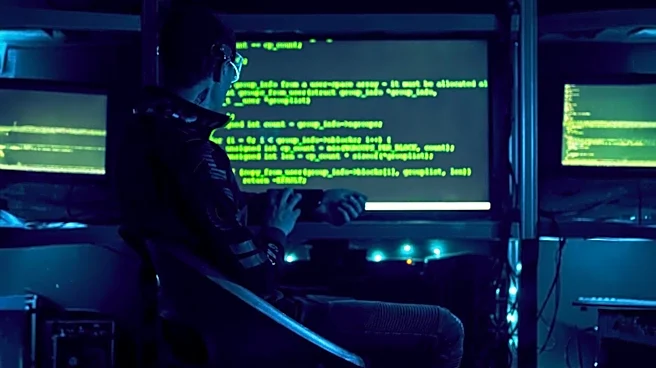
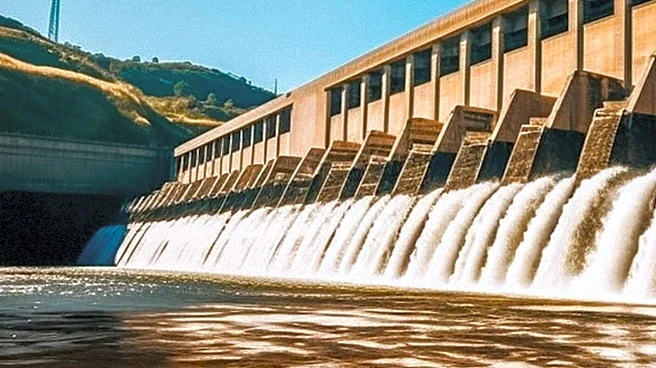
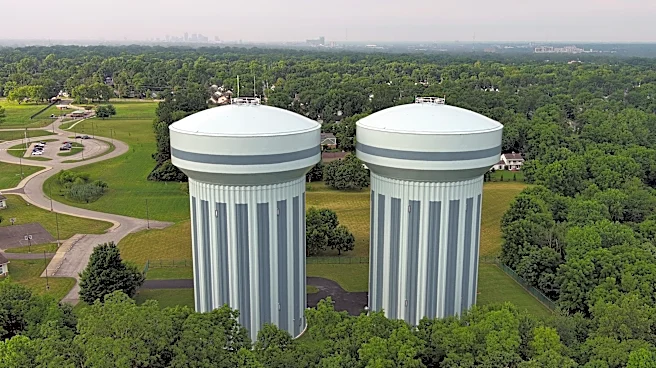
A series of cyberattacks have targeted U.S. public water systems, exposing significant security vulnerabilities. Suspected to be linked to Iran, these attacks have affected water systems in at least a dozen states, exploiting poorly secured industrial
computers known as programmable logic controllers (PLCs). These components, often connected to the internet without adequate security measures, have allowed hackers to disrupt operations, causing pressure loss and flooding. Despite the disruptions, utilities have managed to regain control quickly, but the incidents reveal the need for improved cybersecurity measures and regulatory oversight to protect critical infrastructure.
Why It's Important?
The cyberattacks on water systems highlight the urgent need for enhanced cybersecurity protocols to protect essential services. The vulnerabilities in industrial control systems pose significant risks to public health and safety, as disruptions in water supply can have severe consequences for critical facilities like hospitals. The attacks also underscore the broader national security implications, as foreign adversaries could exploit these weaknesses to cause widespread disruption and undermine public confidence. Addressing these security gaps is crucial to safeguarding critical infrastructure and ensuring the resilience of essential services.
What's Next?
In response to the cyberattacks, there is a push for stronger cybersecurity measures and regulatory oversight. Utilities are being urged to secure their systems, and federal legislation is being proposed to enhance the Environmental Protection Agency's authority in this area. The ongoing investigation into the attacks may lead to further policy changes and increased funding for infrastructure security. Stakeholders, including government agencies and utility operators, are expected to collaborate on developing more robust defenses against future cyber threats.