
What's Happening?
Russia and Iran have announced plans to expedite the development of the International North-South Transport Corridor (INSTC), a multimodal trade network that connects Russia, Central Asia, Iran, and India,
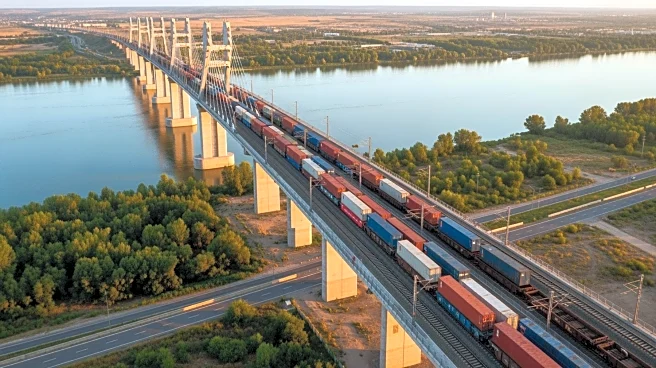
ultimately linking Northern Europe with South Asia. This corridor is seen as a strategic lifeline for Moscow, allowing Russian goods and energy to bypass the long and increasingly insecure maritime routes through the Black Sea, Suez Canal, and Red Sea. The INSTC offers a direct alternative, with Russian cargo traveling by rail to Azerbaijan’s Baku port, crossing the Caspian Sea, and continuing through northern Iran via the Rasht-Astara railway to Bandar Abbas on the Persian Gulf. From there, goods can efficiently reach India and South Asia. The corridor is not only an economic venture but also a strategic hedge against isolation, reducing vulnerability under Western sanctions while strengthening trade ties with India and potentially China.
Why It's Important?
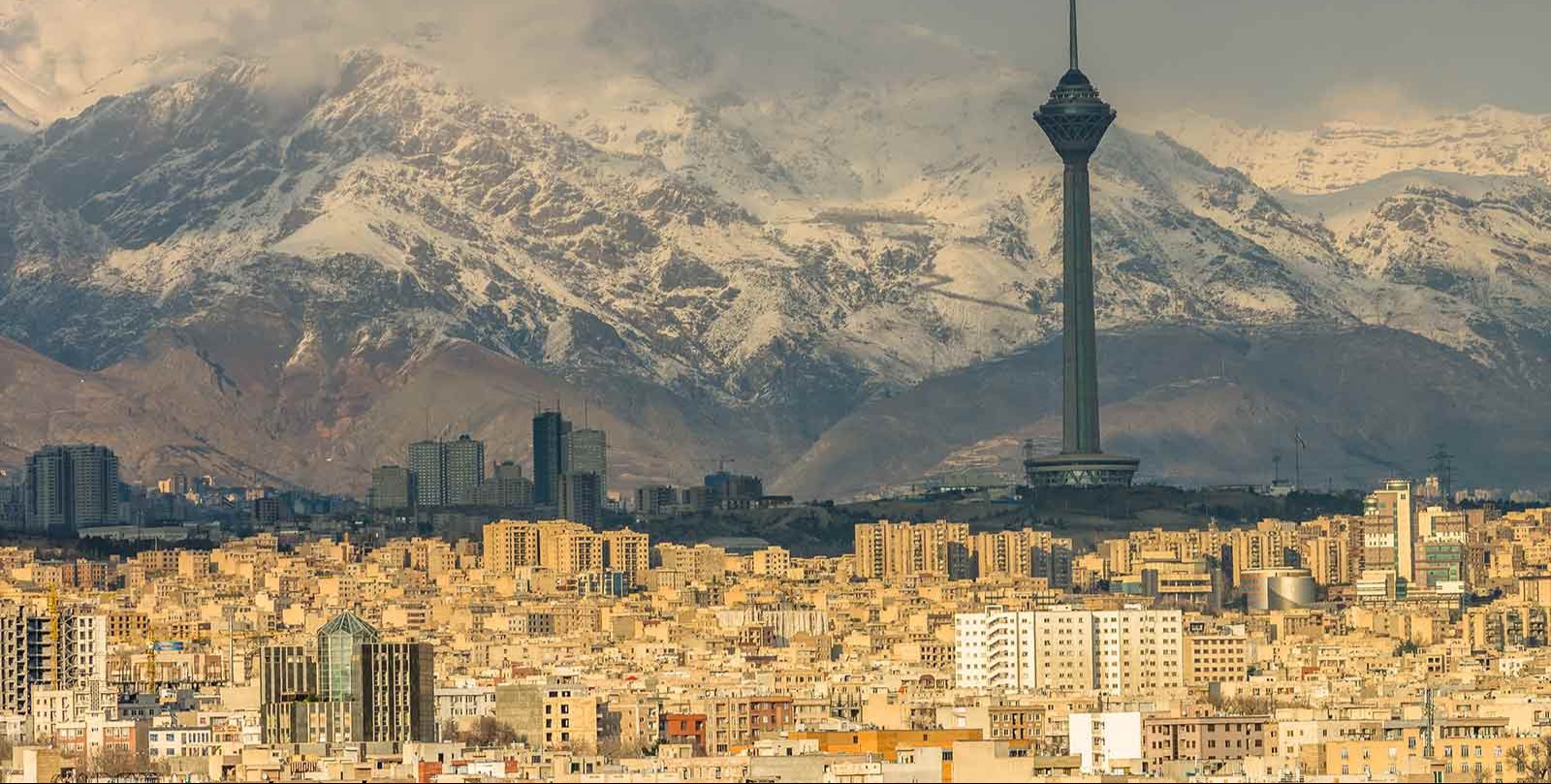
The development of the INSTC is significant as it provides Russia with a more secure and efficient trade route, reducing reliance on the Black Sea route, which is controlled by Turkey and exposed to geopolitical instability. For Iran, the corridor positions the country as a central hub in Eurasian trade, enhancing its influence without military deployment. The corridor's completion could shift regional power dynamics, offering a durable alternative to constrained maritime routes and potentially reshaping global logistics. The U.S. has expressed concern over the corridor's growing influence, warning that increased Iranian control could weaken sanctions enforcement and shift regional leverage. The corridor's success could challenge Western powers to balance trade interests and sanctions policy while observing Moscow and Tehran's expanding influence.
What's Next?
The INSTC could eventually link with East-West routes to China and Europe, forming a fully integrated Eurasian rail and shipping network. This development would provide Russia with a durable alternative to constrained maritime routes and transform Iran's geography into a source of power, generating revenue and strategic influence. The U.S. and other Western powers will likely continue to monitor the corridor's progress closely, as it presents a challenge to existing trade and sanctions policies. The completion of the Rasht-Astara railway, a critical segment of the corridor, remains a priority for both Russia and Iran, with leaders in both countries closely overseeing its progress.