



What's Happening?
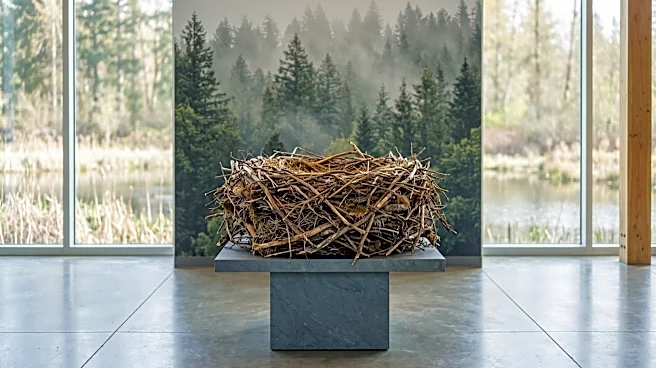
A bald eagle nest, originally removed from a Douglas-fir tree on Orcas Island in 1994 due to its proximity to homes, has found a permanent home at the Billy Frank Jr. Nisqually National Wildlife Refuge. Forester Tim Brown, known as a 'raptor whisperer,'
undertook the challenging task of removing the six-foot diameter, 19.5-foot circumference nest after the homeowners obtained a special permit, as bald eagles and their nests are federally protected. The tree threatened 24 homes if it were to fall. Brown, with assistance from wildlife biologist Charlie Vandemoer of the Mount Baker-Snoqualmie National Forest, meticulously wrapped the nest, cut the supporting limb, and lowered it onto a flatbed truck. After years of being displayed at various events and suffering damage from transport and storage, the nest was painstakingly restored in 2013 by conservator Tiffany Hedrick. Funding from the Friends of Nisqually National Wildlife Refuge Complex allowed for its permanent display, designed by Alan Ransenberg, with a backdrop of drone photography by Mike Ruth.
Why It's Important?
This event is significant for wildlife conservation and public education in the U.S. The permanent display of a bald eagle nest offers a unique opportunity for the public to connect with and learn about this iconic species, which was once endangered. The story of the nest's preservation highlights the dedication required to protect wildlife, even when it involves complex logistical and regulatory challenges. It also underscores the success of conservation efforts, as bald eagles have made a remarkable comeback and are no longer endangered, a testament to the impact of banning harmful pesticides like DDT and implementing protective measures. The exhibit serves as a powerful educational tool, illustrating the size and intricate construction of eagle nests and fostering a deeper appreciation for the natural world and the importance of habitat preservation. It also showcases successful collaboration between federal agencies, local communities, and non-profit organizations.
What's Next?
The bald eagle nest is now on permanent display at the Billy Frank Jr. Nisqually National Wildlife Refuge, allowing visitors to observe its impressive scale and learn about eagle biology and conservation. The refuge will likely continue to use the exhibit as a centerpiece for educational programs and outreach, particularly for school groups and families. Visitors to the refuge can also observe active bald eagle nests in the wild, providing a direct connection between the exhibit and living ecosystems. The success of this project may inspire other national wildlife refuges and parks to develop similar exhibits or educational initiatives focused on local wildlife and conservation stories. Ongoing maintenance and preservation of the nest will be crucial to ensure its longevity as an educational resource. The story will continue to serve as a reminder of the importance of environmental protection and the positive outcomes achievable through dedicated conservation efforts.
Beyond the Headlines
Beyond its immediate educational value, the preserved bald eagle nest symbolizes the enduring human connection to nature and the evolving understanding of our role in its protection. The meticulous effort to save and restore the nest reflects a societal commitment to preserving natural heritage, even for a single artifact. It also subtly addresses the ethical considerations of human-wildlife coexistence, as the nest's removal was necessitated by its proximity to human dwellings, yet handled with utmost care for the eagles' welfare and the nest's integrity. The exhibit serves as a tangible link to the past, reminding visitors of the bald eagle's near extinction and its subsequent recovery, offering a message of hope and the effectiveness of collective conservation action. It encourages reflection on how human activities impact wildlife and the responsibility we bear to mitigate those impacts, fostering a deeper sense of environmental stewardship and respect for all living creatures.